Feel free to reach out:
hello@atomik.studio
November 9, 2026
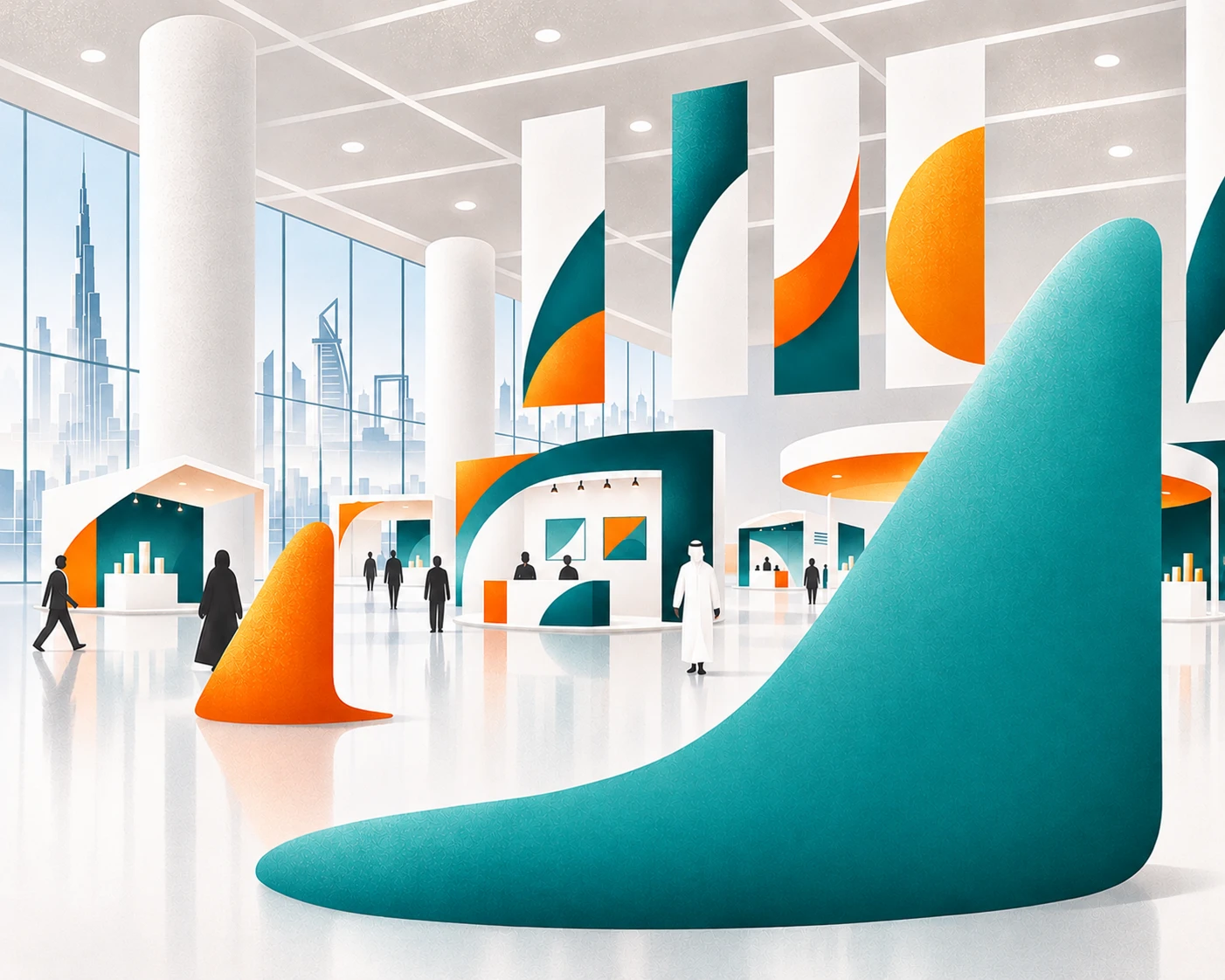
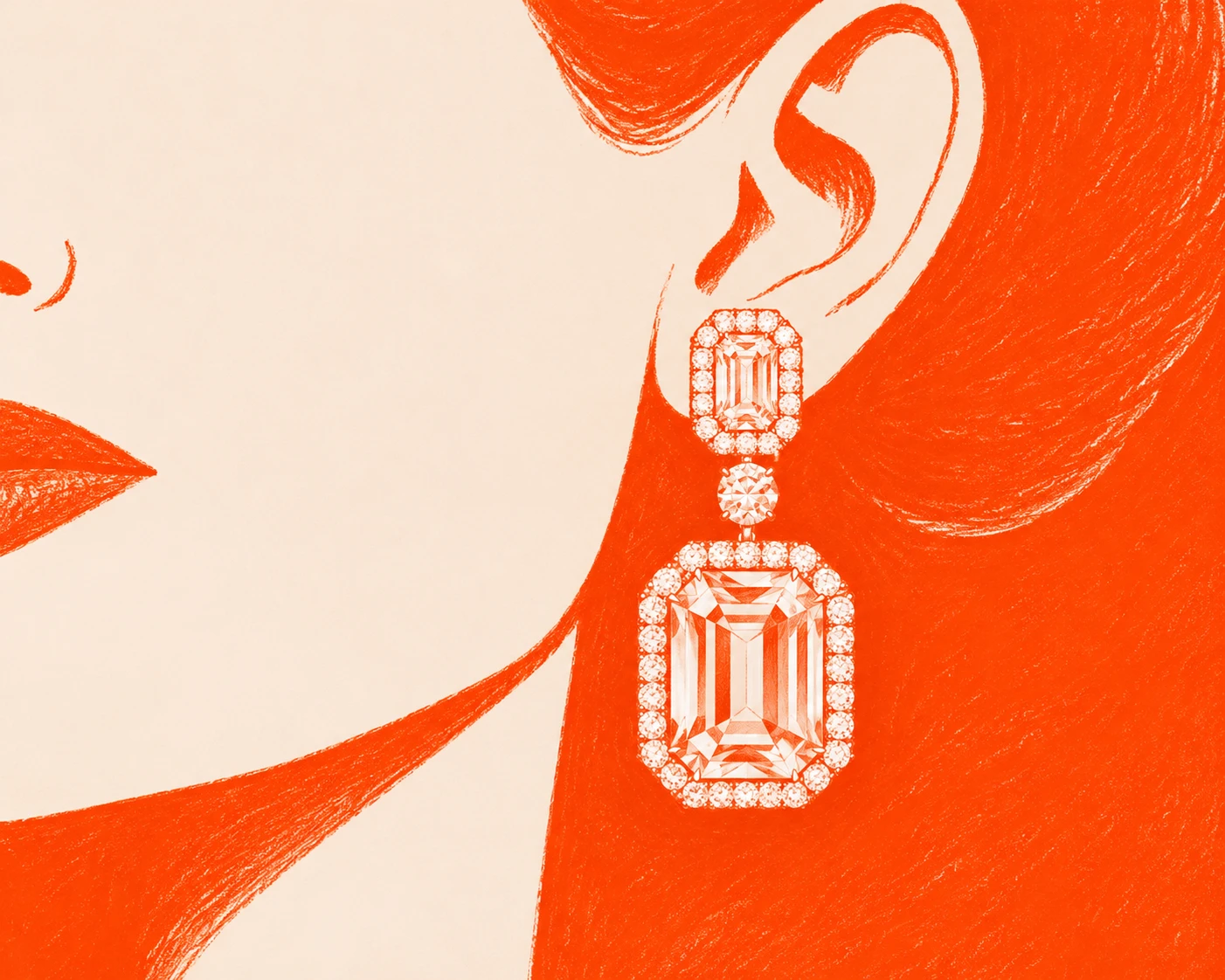
Dubai knows how to make things look luxurious. But the details that make something valuable aren't always the ones that photograph best.
There's no shortage of beautiful things in Dubai.
Walk through a new development, hotel or shopping destination and you'll find carefully selected materials, immaculate finishes and interiors designed to make an impression.
The branding is usually equally considered. Elegant typography, muted colours, atmospheric photography and just enough gold to remind you where you are.
Much of it looks expensive. Sometimes remarkably similar, too.
But looking expensive and feeling valuable aren't quite the same thing.
At this year's Downtown Design, Buccellati presented Aquae Mirabiles, an immersive installation developed with artist and designer Luke Edward Hall. Built around the Italian house's Caviar silverware collection, it combined craftsmanship, material detail and an imaginative underwater setting.
The visual presentation was theatrical, but the products had something beyond presentation: an established approach to making things, recognisable material techniques and considerable attention to detail.
That's where I find luxury more convincing. When the visual experience gives you a reason to look closer, rather than simply asking you to be impressed.
You can reproduce the atmosphere of luxury fairly convincingly. Reproducing the knowledge, skill and care behind a product is considerably harder.
Luxury has developed a familiar visual vocabulary.
Minimal packaging. Beautifully lit objects. Spacious layouts. Restrained colour palettes. The occasional serif typeface that looks like it has never needed to ask the price of anything.
These conventions work because people recognise them.
But familiarity also makes them easy to reproduce. A business can adopt the visual language of an established luxury brand without having the history, quality or experience to support it.
I've already written about whether every business in Dubai needs to look premium. There's another question worth considering: even when a luxury position makes sense, what gives people a reason to believe in it?
A beautiful identity can establish expectations. The experience has to give those expectations some substance.
Think about a hotel where someone remembers how you like your coffee. A restaurant that handles a mistake without turning it into an uncomfortable conversation. A product that's still a pleasure to use years after the excitement of buying it has disappeared.
None of these necessarily makes a good campaign image.
Yet they're often the details people remember.
The same applies to businesses that aren't particularly luxurious. A straightforward service, delivered exceptionally well, can feel more valuable than an elaborate experience full of unnecessary complications.
Value can come from expertise, reliability, personal attention or the simple pleasure of something working exactly as it should.
This is part of brand experience, although it rarely receives the same attention as visual identity during a branding project.
We spend considerable time deciding how a business should look. I'd like to see just as much consideration given to the details that make dealing with it worthwhile.
Dubai Design Week offered another interesting contrast through the Memphis Milano exhibition, celebrating a design movement that challenged conventional ideas of good taste.
Its bold colours, unconventional forms and unexpected materials were hardly concerned with looking quietly expensive.
They had character. And decades later, that character remains recognisable.
There isn't one visual formula for communicating value. Some brands are restrained. Others are expressive, unconventional or rather playful.
The important thing is that the design reflects something meaningful about the business.
A distinctive brand identity can communicate those qualities and help people recognise them. It shouldn't have to invent qualities the business doesn't possess.
That gap between presentation and reality is also why a good brand can't hide a bad business. The experience eventually has to support the promise.
Dubai has become exceptionally good at creating impressive first impressions.
The greater opportunity may be in giving people something to appreciate once that first impression has worn off.
What's the difference between luxury branding and perceived value?
+Luxury branding communicates qualities such as exclusivity, craftsmanship and status. Perceived value comes from what customers believe they're receiving, including product quality, service, reliability and the overall experience.
How can a luxury brand stand out in Dubai?
+Rather than relying entirely on familiar luxury aesthetics, identify what genuinely distinguishes the business. Its expertise, materials, service, history or approach can provide a more credible foundation for a distinctive identity.
Can a brand feel valuable without looking expensive?
+Absolutely. Value can come from usefulness, thoughtful service, quality and attention to detail. A business doesn't need an elaborate visual identity to make people appreciate what it offers.

Francisco Belo dos Santos shapes brands through strategy, identity and digital experiences. Based in Dubai and born in Lisbon, he brings an international perspective shaped by diverse cultures and markets, combining strategic thinking with a belief in purposeful design.

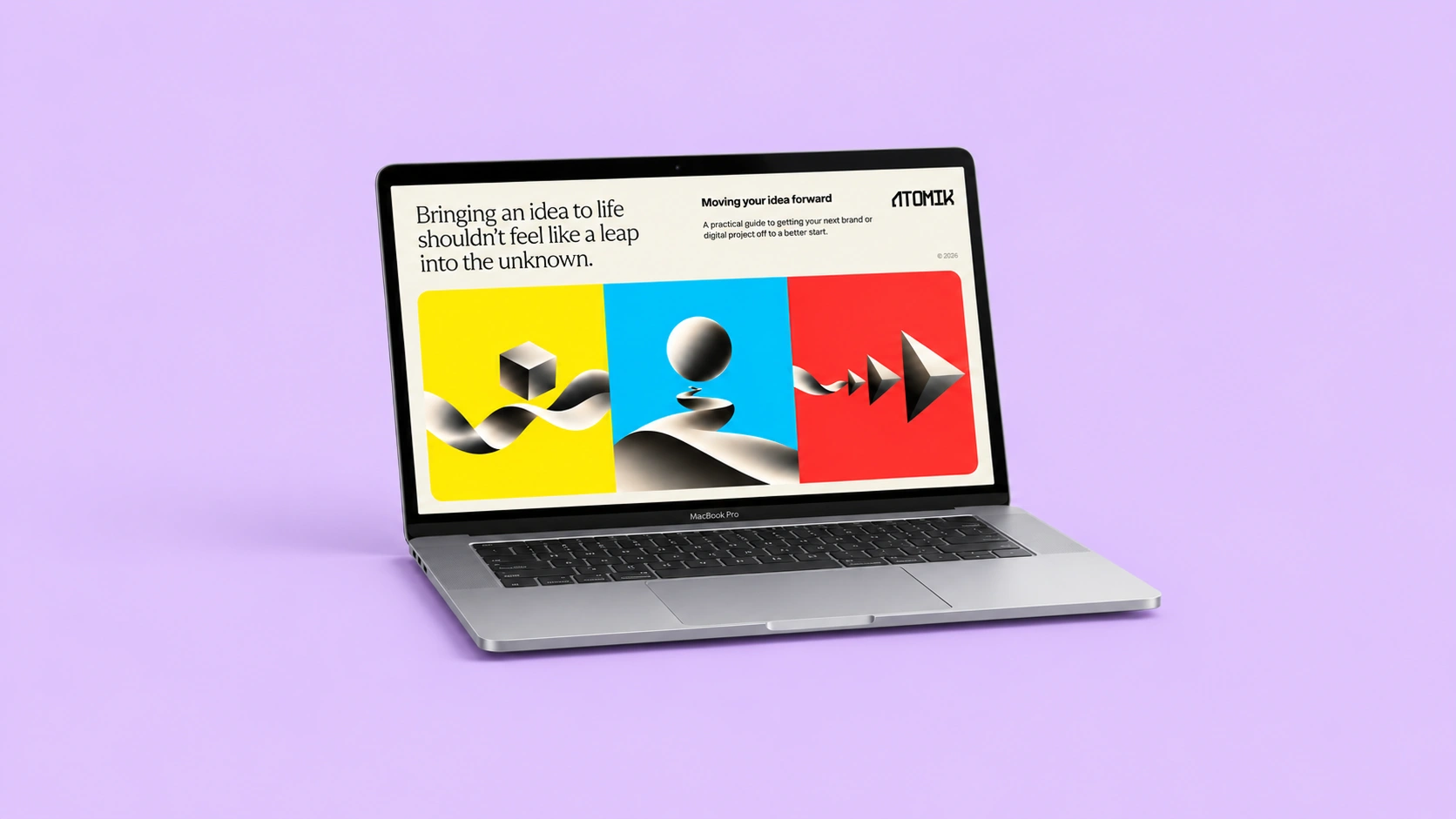
Clarify your challenge, set priorities and prepare a brief for your branding or design needs.
Strategy, identity and digital experiences come together in different ways. Here's a selection of projects shaped by different challenges, ambitions and opportunities.
Explore selected projects ↗Developing something new, rethinking an existing brand or considering a different direction? Tell me what you're working on and we'll take it from there.
Start a conversation ↗