Feel free to reach out:
hello@atomik.studio

I can recognise the Netflix opening sound without looking at the screen. The same goes for the little confirmation sounds certain devices make, or the familiar click of a well-designed mechanical switch.
They're small details. Yet some become inseparable from the products they belong to.
We tend to discuss brand identity in visual terms. Logos, typography, colours, compositions. All important, of course. But people experience brands through more than their eyes.
The recent Apple Music identity is a good example. TBWA\Media Arts Lab experimented with using sound to produce physical patterns in oil, eventually creating a visual identity and sonic signature from the same process.
Rather than simply adding music to a finished visual system, sound helped determine what the system looked like. I like that the two are connected. The identity has a reason to behave the way it does.
Of course, not every business needs a sonic logo. A local accounting firm probably has more pressing things to consider than commissioning a memorable three-note melody. But sound is only one possibility.
Think about the weight of a product in your hand. How a door opens when you walk into a shop. The way an app acknowledges that you've completed something. Even the feel of packaging when you open it.
These details can communicate just as much about a business as its advertising.
And they're not necessarily expensive. A distinctive interaction, repeated consistently, can become familiar over time. Sometimes the most recognisable feature of an experience is something nobody thought to include in the branding presentation.
This is where brand experience and brand identity start to overlap. One determines how a business expresses itself. The other considers what people encounter when they deal with it.
The movement of an identity can also make interactions familiar without requiring another logo.
There's also a practical consideration. An interaction should be useful before it tries to be memorable. A notification sound that plays constantly might be distinctive, but people will probably find a way to turn it off.
I'd be interested in seeing more identity projects begin by examining what a product actually feels, sounds and behaves like, rather than looking immediately at visual references.
A brand can be recognisable with your eyes closed. Sometimes quite literally.

Francisco Belo dos Santos shapes brands through strategy, identity and digital experiences. Based in Dubai and born in Lisbon, he brings an international perspective shaped by diverse cultures and markets, combining strategic thinking with a belief in purposeful design.

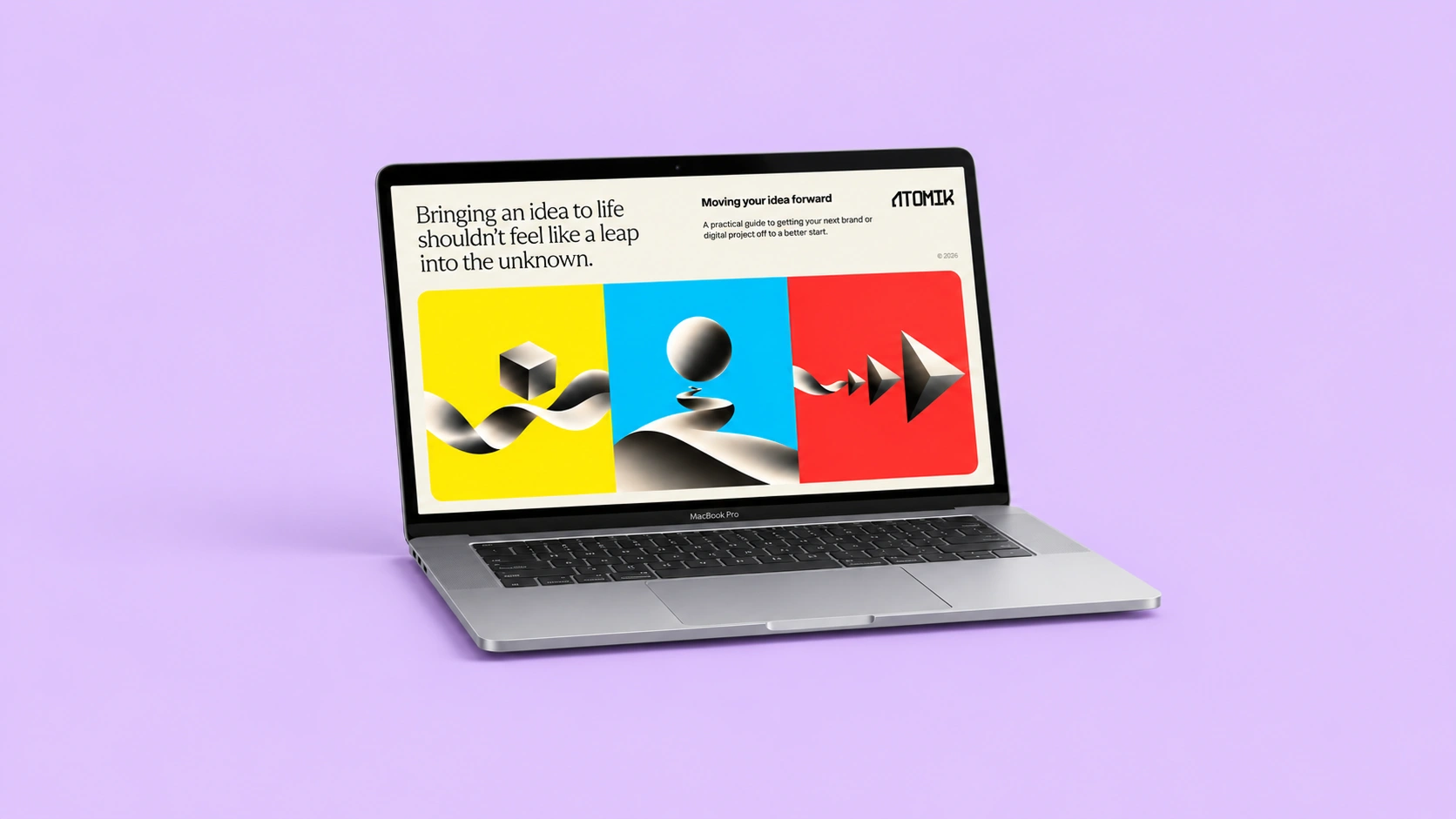
Clarify your challenge, set priorities and prepare a brief for your branding or design needs.
Strategy, identity and digital experiences come together in different ways. Here's a selection of projects shaped by different challenges, ambitions and opportunities.
Explore selected projects ↗Developing something new, rethinking an existing brand or considering a different direction? Tell me what you're working on and we'll take it from there.
Start a conversation ↗