Feel free to reach out:
hello@atomik.studio

October 21, 2026
In a city where cultures and languages intersect, relevance comes from knowing what to adapt and what should remain recognisable.
A brand operating in Dubai might communicate in Arabic and English, serve customers from dozens of countries and compete with businesses that have developed their identities in entirely different markets.
That creates plenty of opportunities to adapt.
It also creates a familiar temptation: trying to accommodate every cultural expectation until the brand has very little character left.
The result might be perfectly inoffensive. It might also be difficult to recognise.
I don't think the answer is to choose between a consistent identity and cultural relevance. The more useful challenge is understanding where adaptation improves the experience and where it simply introduces unnecessary variation.
Arabic is the official language of the UAE, while English is widely used across commercial and everyday interactions.
For businesses serving both language audiences, this creates considerations that extend beyond translating a headline.
Arabic and English use different writing systems and reading directions. Their typography, text lengths and layout requirements can affect how a brand works across websites, applications, signage and printed materials.
A digital experience that accommodates Arabic only after the English version is finished may need more than translated copy. Navigation, interfaces, forms and content structures might need reconsideration.
And then there's the message itself.
An expression that sounds natural in English might feel awkward when translated directly into Arabic. Cultural references, humour and tone don't always travel neatly between languages.
The objective should be to preserve the intent of the communication, not necessarily its exact wording.
That's a design and content challenge, not just a translation task.
It's easy to recognise when a campaign is trying particularly hard to look local.
A few familiar architectural references, an Arabic-inspired graphic pattern, perhaps a predictable selection of regional colours.
Sometimes those elements are appropriate. But their presence doesn't automatically make the communication relevant.
Dubai has a distinct local identity, rooted in Emirati culture, alongside communities that bring their own experiences and expectations.
Good communication should understand that context rather than treating the city as a collection of visual references.
A hospitality brand serving residents and international visitors might need to consider different booking behaviours, dietary requirements, occasions and expectations around service.
Those decisions can have more impact on relevance than adding another cultural motif to the campaign.
The useful question isn't simply whether something looks appropriate for Dubai.
It's whether it makes the brand easier to understand, use and connect with.
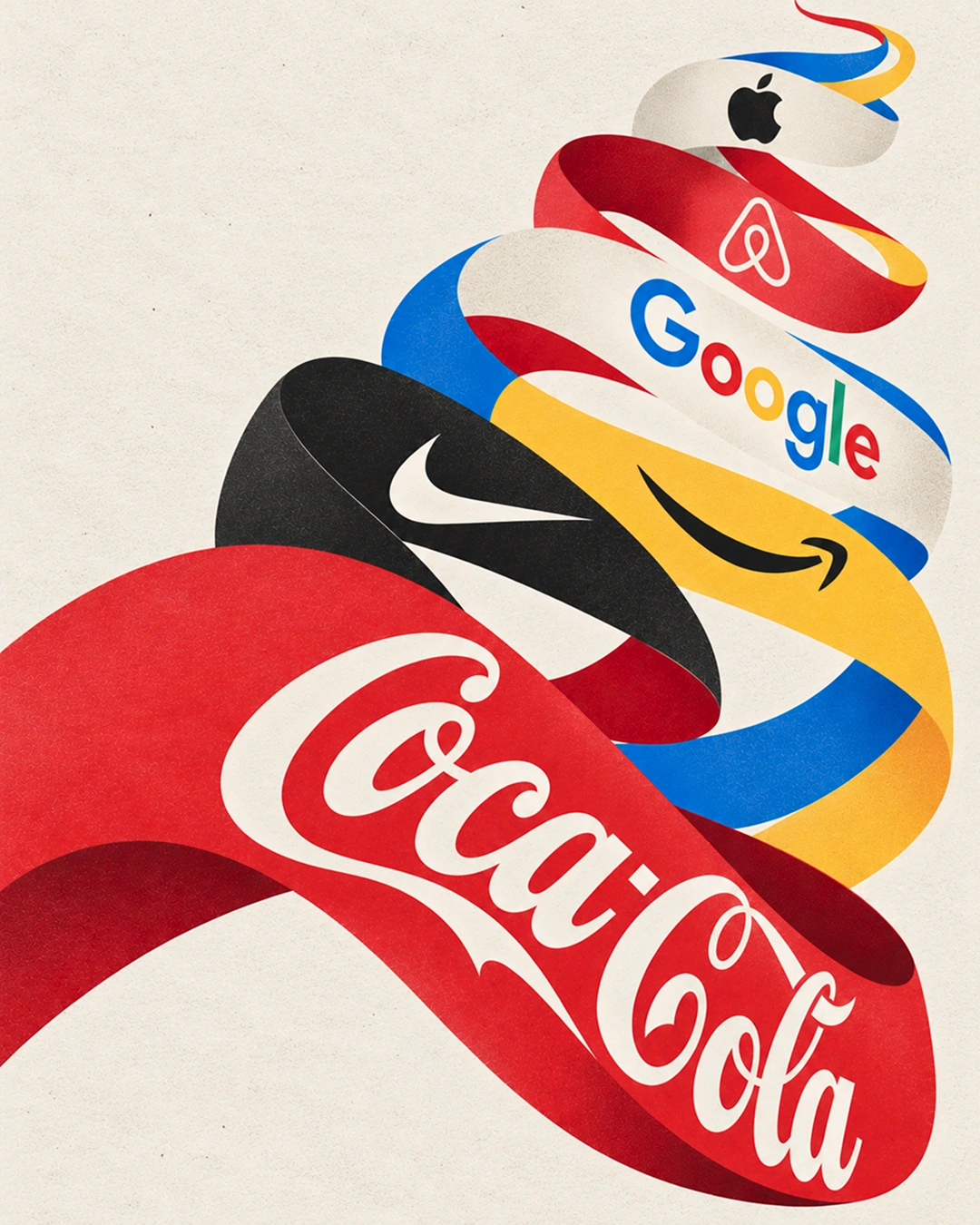
A recognisable brand needs continuity.
Its underlying proposition, character and distinctive assets should give people something familiar to return to, even when the context changes.
That doesn't mean every execution must be identical.
A brand can adapt its language, imagery, examples, formats and customer journeys without changing the idea that connects them.
I'd approach the decisions by separating what defines the brand from what helps people experience it.
The first provides consistency. The second creates room for relevance.
Practical brand guidelines should give teams enough clarity to adapt without losing consistency.
The same principle applies to brand experience. Cultural understanding becomes more meaningful when it improves the way people interact with the business.
There's no single formula for creating a brand that works in Dubai.
A business serving Emirati families will face different considerations from one serving international investors, hospitality visitors or a multilingual workforce.
Even within those groups, expectations will vary.
The sensible approach is to understand the people, the situation and the decisions that matter, then adapt where there is a reason to.
Not every difference requires a new campaign. Not every cultural reference makes a message more meaningful.
The strongest brands remain recognisable while making people feel that the experience was designed with them in mind.
That's a considerably better ambition than trying to be everything to everyone.

Francisco Belo dos Santos shapes brands through strategy, identity and digital experiences. Based in Dubai and born in Lisbon, he brings an international perspective shaped by diverse cultures and markets, combining strategic thinking with a belief in purposeful design.

Francisco Belo dos Santos shapes brands through strategy, identity and digital experiences. Based in Dubai and born in Lisbon, he brings an international perspective shaped by diverse cultures and markets, combining strategic thinking with a belief in purposeful design.
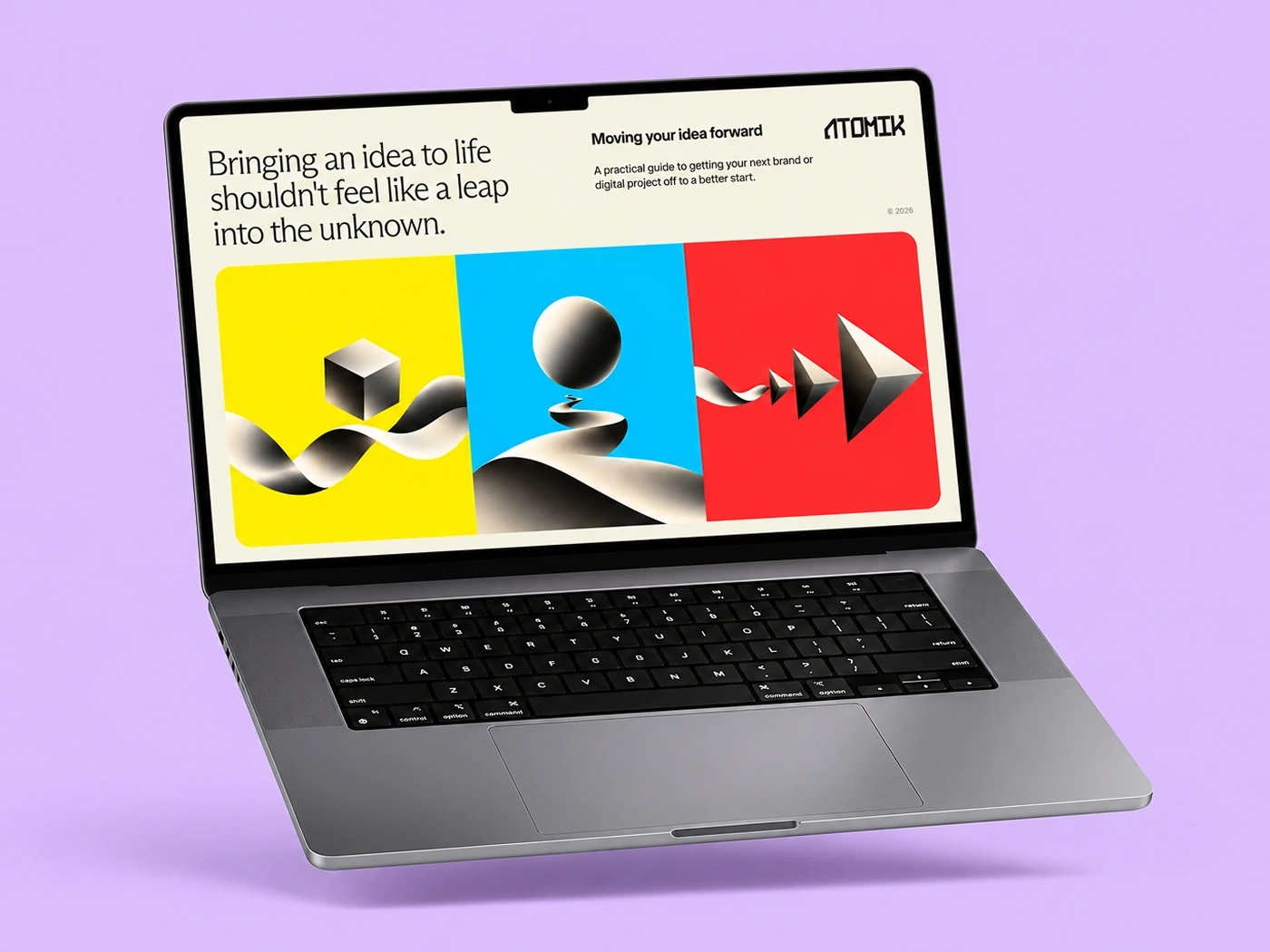
Enjoy a free, practical guide to help you define your challenge and prepare for your next branding or design project, complete with useful checklists.

Clarify your challenge, set priorities and prepare a brief for your branding or design needs.