Feel free to reach out:
hello@atomik.studio

October 24, 2026
Growth brings new products, services and ambitions. But more brands don't necessarily make a stronger business. Sometimes they just make it harder to understand.
A business starts with one name, one offer and a fairly straightforward story.
Then things grow. A new service appears. Another product follows. Someone proposes a separate identity for a new market. An acquisition brings another name into the mix.
Before long, the website needs an entire section explaining how everything fits together.
Growth is good. Confusion, less so.
Brand architecture is how a business organises its brands, products and services, and how those relationships are understood by the people buying them.
But I think there's a bigger question behind the exercise. Are we building a portfolio that serves customers, or one that reflects how the company has organised itself? Those aren't necessarily the same thing.
There's a tendency to give every new business initiative its own identity. A new division needs a logo. A service gets a name. A product launch becomes an opportunity to develop an entirely different visual language.
Sometimes these decisions are justified. Often, they're made individually, without considering what already exists. The result can be several identities competing for attention, even when they share audiences, capabilities and values.
It's easy to confuse creating something new with creating something distinct. A separate brand should help the business achieve something its existing identity cannot. Otherwise, we're simply adding another thing to maintain.
Brand architecture defines the relationships between a company's brands, products and services. It determines whether different offers should share a name, operate independently or maintain some visible connection to a parent organisation.
But this isn't simply about arranging logos on a diagram. A good architecture helps customers navigate the business, recognise related services and transfer the trust they've developed in one part of the organisation to another, where appropriate.
Internally, it informs decisions about naming, design, communication and future expansion. The objective isn't perfect symmetry. It's an arrangement that makes commercial and practical sense.
An organisational chart might show five departments, each with its own team, budget and director. From the customer's perspective, those departments might represent one continuous experience. Or two services run by the same team could serve entirely different audiences.
I've found that internal structures can quietly influence branding decisions more than they should. A department becomes a business unit. The unit gets a name. The name acquires a logo. Before anyone has considered the customer, a new brand has appeared.
It's another reason a brand shouldn't simply reflect the personal preferences of its leadership.
I prefer to begin with how people discover and use what the business offers, then examine which connections deserve to be visible. An organisational chart describes ownership and responsibility. Brand architecture communicates meaning. One shouldn't automatically dictate the other.
Most businesses operate somewhere between three established approaches. None is inherently better; each creates different opportunities and limitations.
In a branded house, the parent brand leads, bringing products and services together under a shared identity. Google Maps, Google Drive and Google Photos are familiar examples.
New offers benefit from accumulated recognition, and marketing investment strengthens the wider business. But shared identity also creates dependencies: reputation travels in both directions, and moving into unrelated categories can become difficult. A shared name creates shared expectations.
A house of brands gives individual products or businesses greater independence. Procter & Gamble operates Pampers, Gillette and Tide, each addressing different needs and markets.
This allows distinctive positioning without forcing every offer into the same personality. It can also protect the recognition of acquired businesses. But independence isn't free: every brand needs investment, communication, management and a reason to remain relevant.
Five logos are easy. Five brands, not quite.
Many organisations combine elements of both approaches. Marriott operates hotel brands with different degrees of connection to its corporate identity.
This can preserve individual character while benefiting from a wider reputation. The difficulty is deciding where those connections appear. Without a consistent approach, hybrid architecture becomes a polite way of describing a collection of unrelated decisions.
Imagine launching a service for an audience the business already knows, using expertise it already has and delivering through the same customer relationships. Does that service need an independent identity? Perhaps. But independence should solve a problem, not create one.
Before separating anything, I'd examine four things.
Audience: Are we speaking to different people, or existing customers with another need?
Positioning: Does the offer require a promise that conflicts with the parent brand?
Recognition: Would a new name improve understanding, or sacrifice familiarity and trust?
Resources: Can the business support additional marketing, communication and management?
Sometimes a descriptive service name within an existing identity is enough. Not everything needs a launch campaign, a separate Instagram account and its own brand guidelines. A new page on the website is a perfectly respectable outcome.
A company begins with a specialised offer, develops expertise and gradually expands into related categories. Over time, its name becomes associated with only one part of the business. What once provided focus can begin to limit perception.
Does the original brand become a parent? Should positioning broaden? Are some services better represented independently? These choices connect to brand strategy and sometimes a wider rebranding process.
For me, the distinction is between changing how a company is organised and changing how it's understood. Sometimes both need attention. Sometimes only one does. The same principle applies when considering whether a business in Dubai needs a rebrand.
Imagine a company offering three complementary services through three unrelated websites. Someone discovers the first, builds trust and later needs the second, but has no way to recognise that the same organisation provides it.
Separation might be deliberate. Different audiences, prices or reputational considerations can justify it. The problem comes when distinctions exist because of internal history rather than customer needs. And knowing your audience doesn't mean reducing everyone to predefined assumptions.
I think architecture should be tested through real interactions. Can people identify the right service? Recognise connected brands? Does that relationship help them decide? Sometimes the solution is better navigation or a more considered brand experience, not another identity.
Before changing every logo, check whether people can find what they're looking for. The same thinking applies when planning a business website in Dubai: establish what it needs to accomplish before deciding how to build it.
The first product gets a descriptive name. The second gets something abstract. The third inherits an internal project title everyone's grown attached to. Five years later, nobody can explain the conventions.
The problem isn't necessarily the individual names. It's the absence of a common approach. Architecture establishes the relationships; naming communicates them. A naming system distinguishes what deserves a unique title, what can remain descriptive and how products connect to the parent.
Creativity still has a place. It just doesn't need to reinvent the portfolio every time.
Shared typography, colour, graphic elements or endorsement devices can signal belonging without making everything identical. Different visual languages can also help separate unrelated offers.
But deciding what should look related before establishing why reverses the process. I've seen how quickly architecture discussions become debates about logo variations. Brand identity expresses commercial decisions; it doesn't make them.
And recognisability goes beyond the logo. What remains when the logo is removed tells us how much of the identity people recognise.
Rather than start by choosing a model, I'd work through the decisions in stages.
What has changed? Is the organisation expanding, acquiring businesses, simplifying a portfolio or reaching new audiences? The answer determines what the architecture needs to support.
List the brands, products and services, including names customers actually use. Record the audience and commercial role of each. Don't assume an internal chart reflects the market's view.
Identify competing propositions, shared needs and points of friction. Some offers need a stronger connection, others more independence. A brand audit helps separate evidence from preferences.
Compare a unified approach, greater independence and hybrid options. Evaluate recognition, clarity, complexity, investment and potential expansion. The best answer isn't necessarily the one with the fewest logos.
Apply the options to a website, sales conversation, launch or customer journey. If a proposal takes fifteen slides to explain, customers probably won't do much better.
Define naming, endorsement and visual relationships, including how future offers fit. Avoid redesigning the portfolio with each introduction.
Agree who approves naming, evaluates new brands and reviews the portfolio. Otherwise, the next enthusiastic product launch may undo the work.
Expansion can also create a need to consolidate. A portfolio might have redundant identities, overlapping services or names that have lost relevance.
Still, simplification isn't automatically progress. A recognised brand may carry customer loyalty that's expensive to rebuild. I wouldn't reduce the number of brands purely for neatness; I'd assess what each contributes and whether independence is justified.
Some deserve protection. Others can be combined, repositioned or retired. Occasionally, the name everyone wanted to replace turns out to be doing more work than the new one ever could.
Before committing to a direction, ask:
These answers won't produce a finished architecture. They'll show where the business needs alignment before design.
Brand architecture shouldn't be a record of every product launched, department created or company acquired. Nor should it be an attempt to make everything look tidy.
It's a way of deciding which parts belong together, where independence creates value and where connection makes the offer stronger.
A business can have one brand or twenty. The measure is whether customers can navigate it, the organisation can manage it and the structure supports what comes next.
Because growing a business is difficult enough. Explaining what it does shouldn't become another problem.

Francisco Belo dos Santos shapes brands through strategy, identity and digital experiences. Based in Dubai and born in Lisbon, he brings an international perspective shaped by diverse cultures and markets, combining strategic thinking with a belief in purposeful design.

Francisco Belo dos Santos shapes brands through strategy, identity and digital experiences. Based in Dubai and born in Lisbon, he brings an international perspective shaped by diverse cultures and markets, combining strategic thinking with a belief in purposeful design.
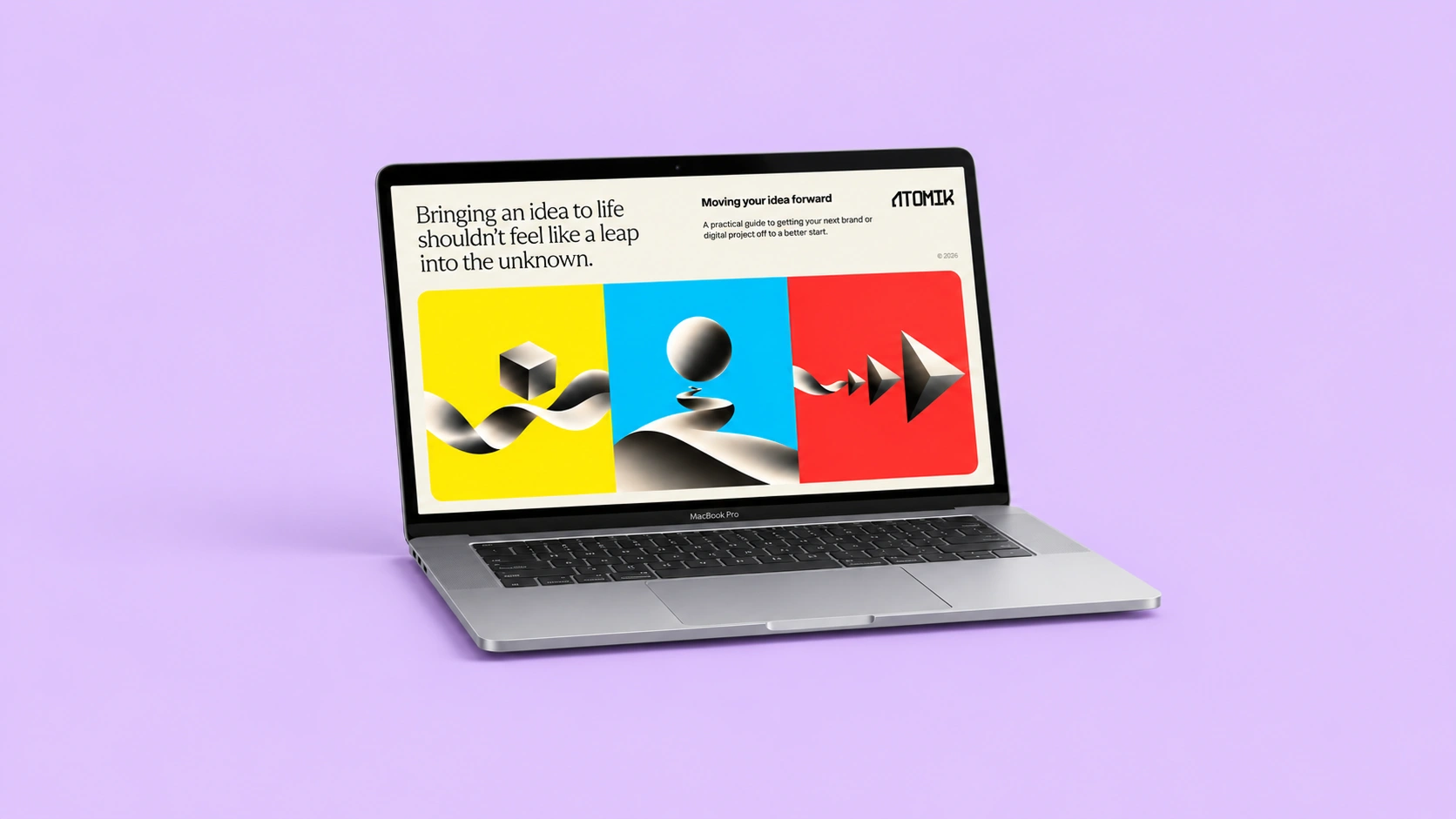
A free, practical guide to help define your challenge and prepare for your next branding or design project.
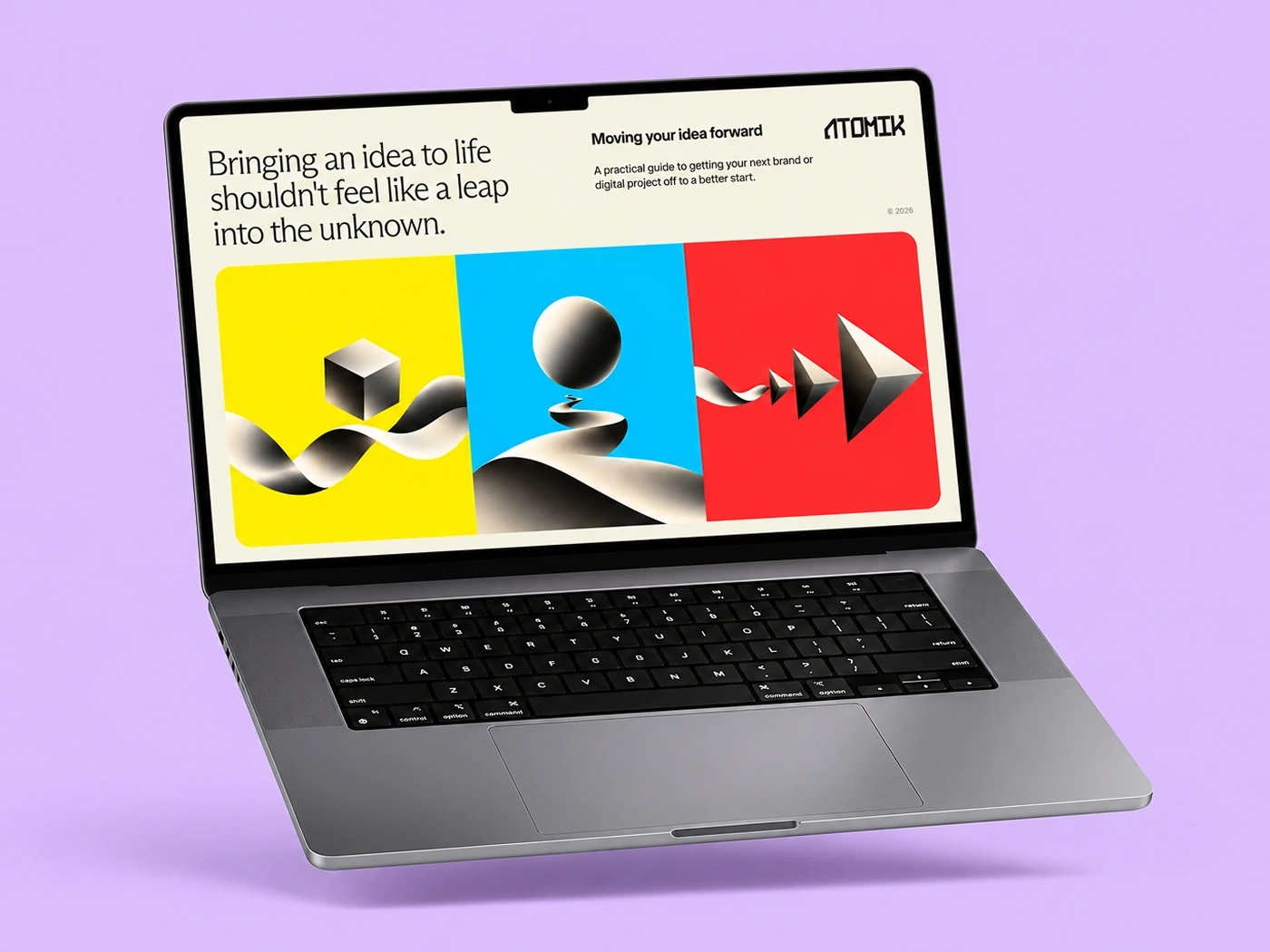
Enjoy a free, practical guide to help you define your challenge and prepare for your next branding or design project, complete with useful checklists.