Feel free to reach out:
hello@atomik.studio

October 22, 2026
In a market of ambitious promises and polished presentation, the experience that follows deserves just as much attention.
Dubai is particularly good at presenting what's coming next.
New developments are introduced through elaborate campaigns. Hospitality concepts arrive with carefully considered identities. Digital services promise to make everyday life easier.
And often, the presentation is excellent.
But a convincing brand promise and a convincing customer experience are two different achievements.
The distance between them is where some of the most important branding decisions happen.
Consider a residential development.
Before completion, prospective buyers might encounter architectural visualisations, carefully written descriptions, sales presentations, model apartments and an impressive website.
Together, they create expectations about the development and the organisation behind it.
But the relationship doesn't end with the purchase.
Buyers may need construction updates, documentation, payment information, handover appointments, maintenance support and answers to questions that weren't covered in the original presentation.
Those interactions might involve several departments, external service providers and digital systems.
From the customer's perspective, however, they're dealing with one organisation.
A beautifully designed identity cannot compensate for confusing communication or an experience that feels disconnected after the sale.
This is particularly relevant in Dubai's substantial property market. According to the Dubai Land Department's 2025 figures, real estate transactions exceeded AED 917 billion that year.
That's a great deal of commercial activity, but also a reminder of how many relationships exist beyond the initial transaction.
One of the challenges of brand experience is that customers rarely care how a business is structured internally.
They don't necessarily distinguish between the marketing team, the sales department, operations and customer support.
They experience a sequence of interactions.
A hospitality brand might communicate exceptional attention to detail, only for its booking process to be unnecessarily complicated.
A property company might promise transparency while making routine project information difficult to access.
A service business might position itself around convenience but require customers to repeat the same information across several channels.
These are examples of possible gaps, not claims about every business in the market.
The point is that each interaction influences how customers understand the brand.
And the less connected those interactions feel, the harder it becomes to sustain a coherent promise.
Dubai adds another dimension to this challenge.
A customer might discover a business through an English-language advertisement, receive documentation in Arabic, communicate with a multilingual service team and complete a transaction through a digital platform.
Different languages and cultural expectations can intersect within the same customer journey.
Maintaining a recognisable identity is useful, but it doesn't guarantee a consistent experience.
Information needs to be understandable. Processes should accommodate the people using them. Communication should remain clear when responsibilities pass between teams.
Sometimes the solution is better writing. Sometimes it's a different information structure, a simpler interface or a clearer division of responsibility.
I'd argue that these decisions deserve as much consideration as the visual identity itself.
They influence how the brand is actually experienced.
It's tempting to treat brand consistency as something that can be achieved through guidelines.
A consistent logo, typography, colour palette and tone of voice certainly help.
But a business can follow every visual rule and still feel like several different organisations.
This is where brand experience becomes an operational question.
Who is responsible for the complete customer journey? Where does information get lost? Which interactions create unnecessary friction? And how does the organisation learn from those experiences?
The answers may involve design, technology, service processes and decisions that sit well outside a traditional branding project.
Even a well-designed website depends on the processes and people behind it.
I find this an increasingly important part of branding. The value of an identity isn't just in how consistently it's applied, but in how effectively the organisation supports the expectations it creates.
Dubai's appetite for new ideas, developments and experiences creates plenty of opportunities to build compelling brands.
But launching something and sustaining it require different kinds of attention.
A strong presentation may encourage someone to make an enquiry, visit a location or purchase a product.
What happens afterwards influences whether they return, recommend the business or trust it with something more important.
That relationship develops through ordinary interactions as much as memorable moments.
The next opportunity for a brand might not be another campaign, identity refresh or ambitious promise.
It might be making an existing experience considerably more useful.
Because the brand people remember isn't always the one presented at launch.
It's the one they experience afterwards.

Francisco Belo dos Santos shapes brands through strategy, identity and digital experiences. Based in Dubai and born in Lisbon, he brings an international perspective shaped by diverse cultures and markets, combining strategic thinking with a belief in purposeful design.

Francisco Belo dos Santos shapes brands through strategy, identity and digital experiences. Based in Dubai and born in Lisbon, he brings an international perspective shaped by diverse cultures and markets, combining strategic thinking with a belief in purposeful design.
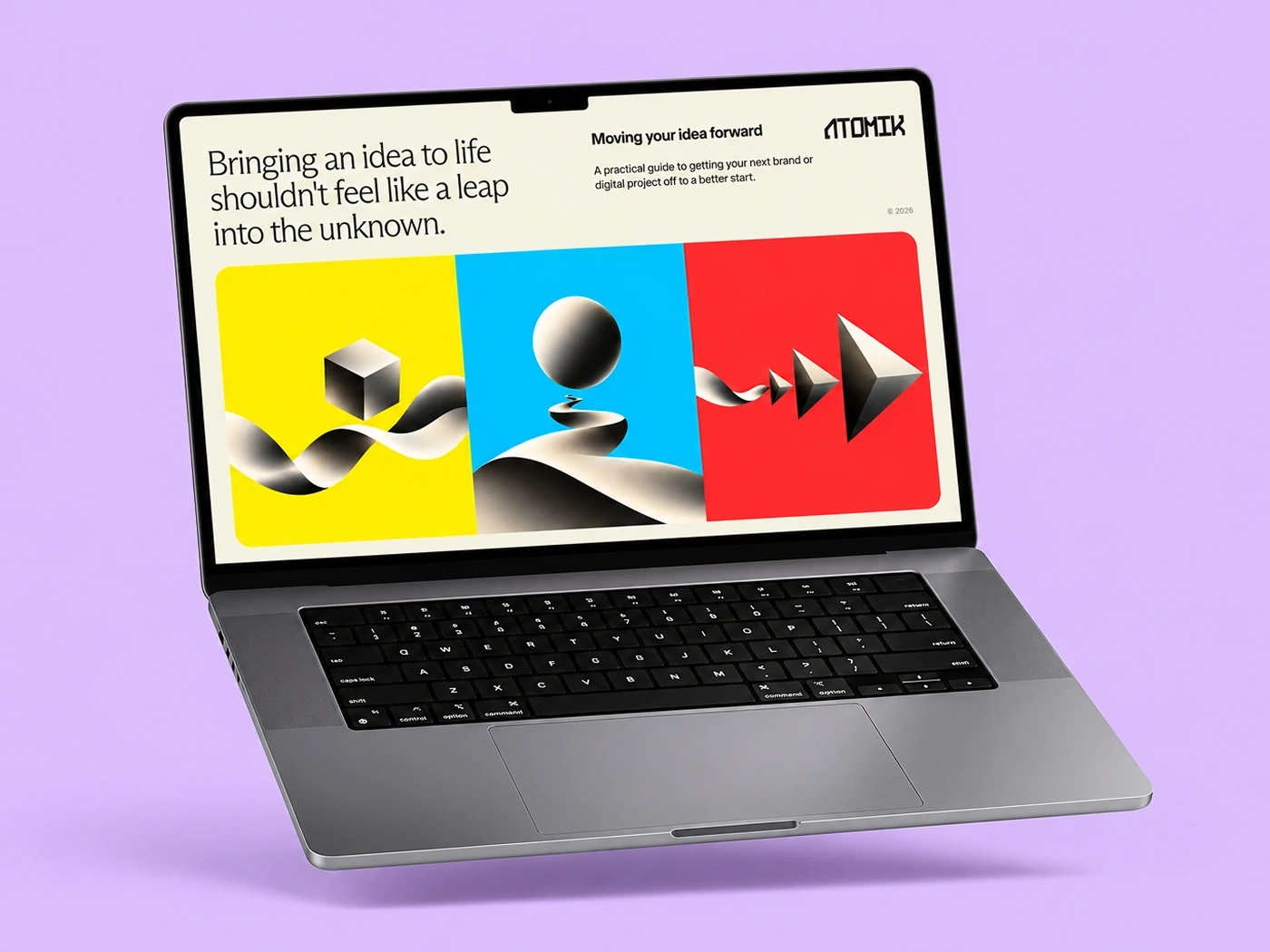
Enjoy a free, practical guide to help you define your challenge and prepare for your next branding or design project, complete with useful checklists.
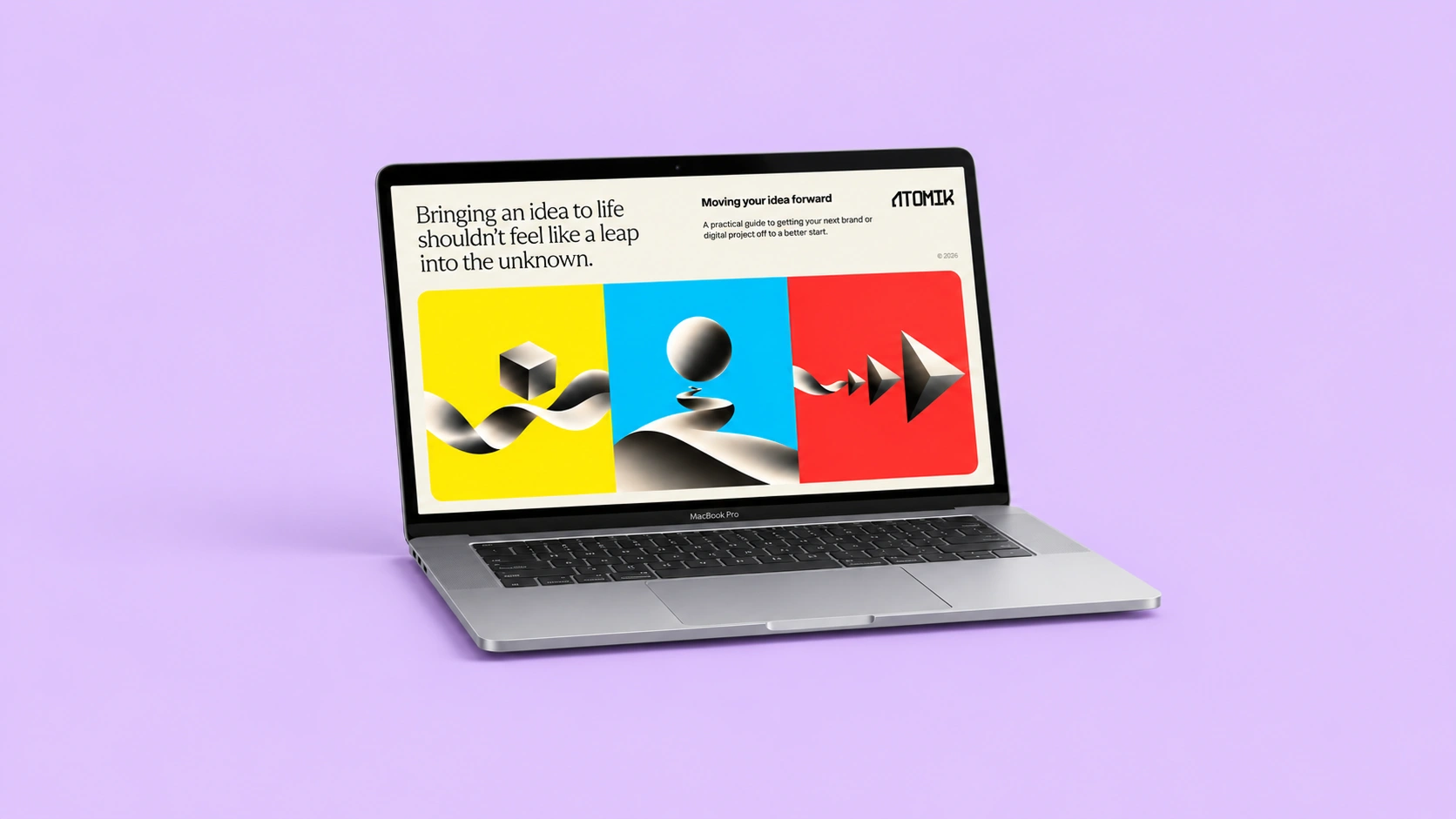
Clarify your challenge, set priorities and prepare a brief for your branding or design needs.