Feel free to reach out:
hello@atomik.studio
October 25, 2026
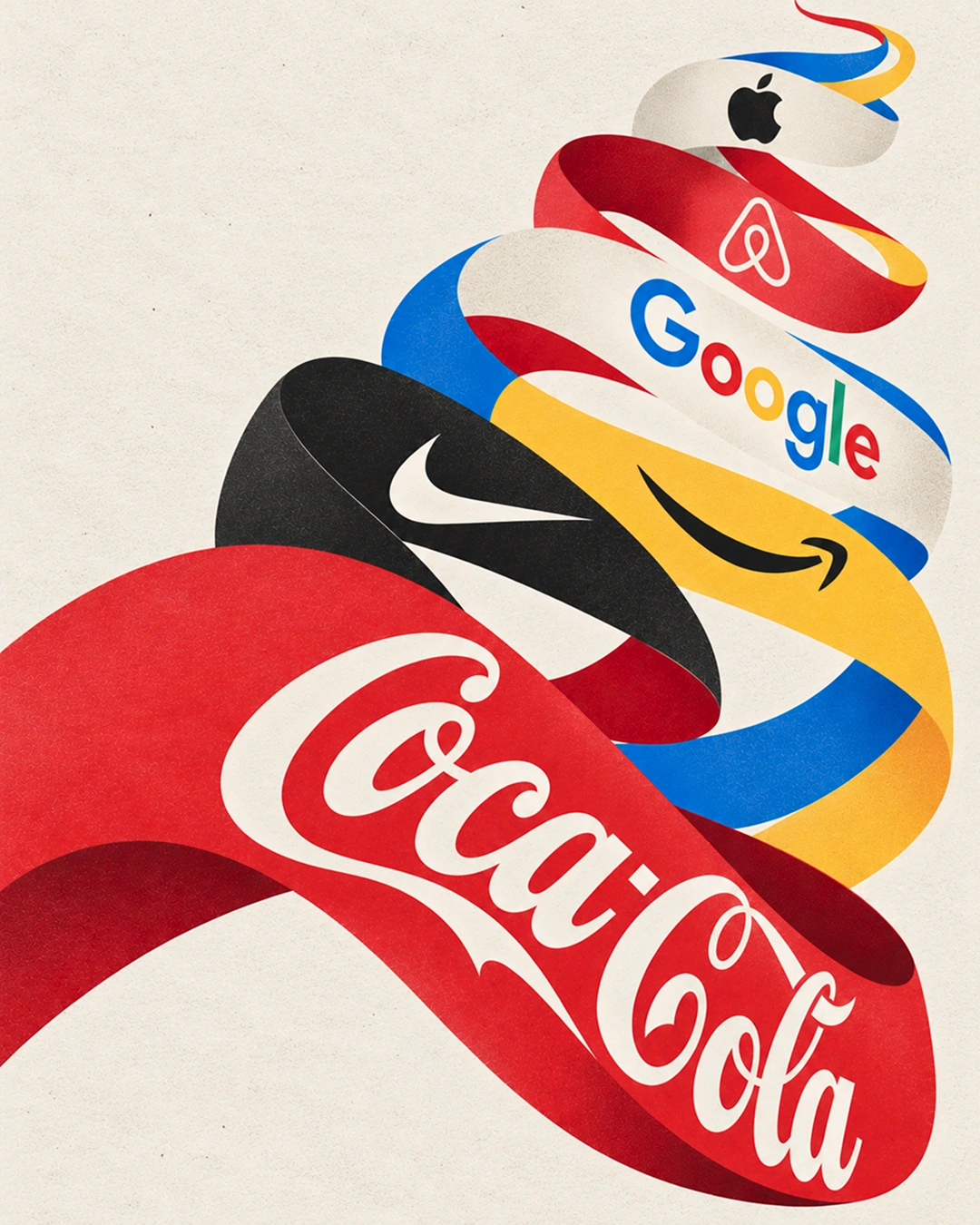
As brand assets multiply, elastic branding offers a way to keep identities recognisable while making teams and systems more adaptable.
Two things caught my attention recently: the concept of elastic branding and a 458% increase in the average number of brand assets held on Frontify's platform over three years. Let that sink in.
That figure reflects the growing complexity of brand management. With more channels, touchpoints and AI accelerating content production, the volume of assets will likely keep growing.
Elastic branding approaches consistency differently. Rather than repeating the same expressions everywhere, brands can adapt to different audiences, channels and circumstances while maintaining a recognisable identity.
The evolution can be understood in three stages:
Fixed rules, standardised messages, controlled identities.
Channel-aware expression, experimentation and cultural relevance.
AI-assisted adaptation, personalised interactions and anticipation.
One practical application is channel empathy. Understanding how people interact with different platforms and designing communication around those behaviours, making each experience more relevant.
Internally, connected brand ecosystems with shared tools, guidelines people can actually use, adaptable templates and clear principles can give teams greater autonomy, reduce repetitive production and speed up decisions.
Technology adds another layer. As brand behaviour becomes more responsive, AI can go beyond generating variations to identify patterns, anticipate customer needs and adapt experiences based on context, making interactions more useful and timely.
For me, the next evolution of brand management is as much operational as it is creative. Building organisations capable of adapting their communication, experiences and decisions without having to reinvent how they work every time something changes.

Francisco Belo dos Santos shapes brands through strategy, identity and digital experiences. Based in Dubai and born in Lisbon, he brings an international perspective shaped by diverse cultures and markets, combining strategic thinking with a belief in purposeful design.

Francisco Belo dos Santos shapes brands through strategy, identity and digital experiences. Based in Dubai and born in Lisbon, he brings an international perspective shaped by diverse cultures and markets, combining strategic thinking with a belief in purposeful design.

A free, practical guide to help define your challenge and prepare for your next branding or design project.