Feel free to reach out:
hello@atomik.studio

October 28, 2026
An identity should still work when the people who designed it are no longer in the room.
A brand identity can look excellent on launch day and become unrecognisable six months later.
Not because the design was poor. Because the person who made it has left, the templates are difficult to use and nobody knows which files are current.
The marketing team improvises. Sales copies an old presentation. Someone finds a logo in an email attachment. Gradually, the identity becomes a collection of reasonable individual decisions that no longer add up.
We are very good at presenting brand systems. Less attention goes into making sure other people can actually run them.
A handover shouldn't be a folder of exports and a PDF explaining minimum logo size. It should give a business the tools, understanding and confidence to make new work without asking the original designer for permission.
That means trying the system with real content before delivering it. Watching someone prepare a presentation, update a webpage or brief a supplier. Noticing where they hesitate. Fixing the parts that are harder to use than they need to be.
Good brand guidelines are part of the answer. So are clear file structures, templates, onboarding and someone inside the business taking ownership of future decisions.
As with any useful creative partnership, responsibility doesn't sit on one side of the table. The client needs to learn how to use the system, and the designer needs to make it possible.
The quality of an identity isn't only visible in the launch presentation. You see it in the ordinary work people produce afterwards.
An identity shouldn't need its creator standing beside it to survive.

Francisco Belo dos Santos shapes brands through strategy, identity and digital experiences. Based in Dubai and born in Lisbon, he brings an international perspective shaped by diverse cultures and markets, combining strategic thinking with a belief in purposeful design.

Francisco Belo dos Santos shapes brands through strategy, identity and digital experiences. Based in Dubai and born in Lisbon, he brings an international perspective shaped by diverse cultures and markets, combining strategic thinking with a belief in purposeful design.
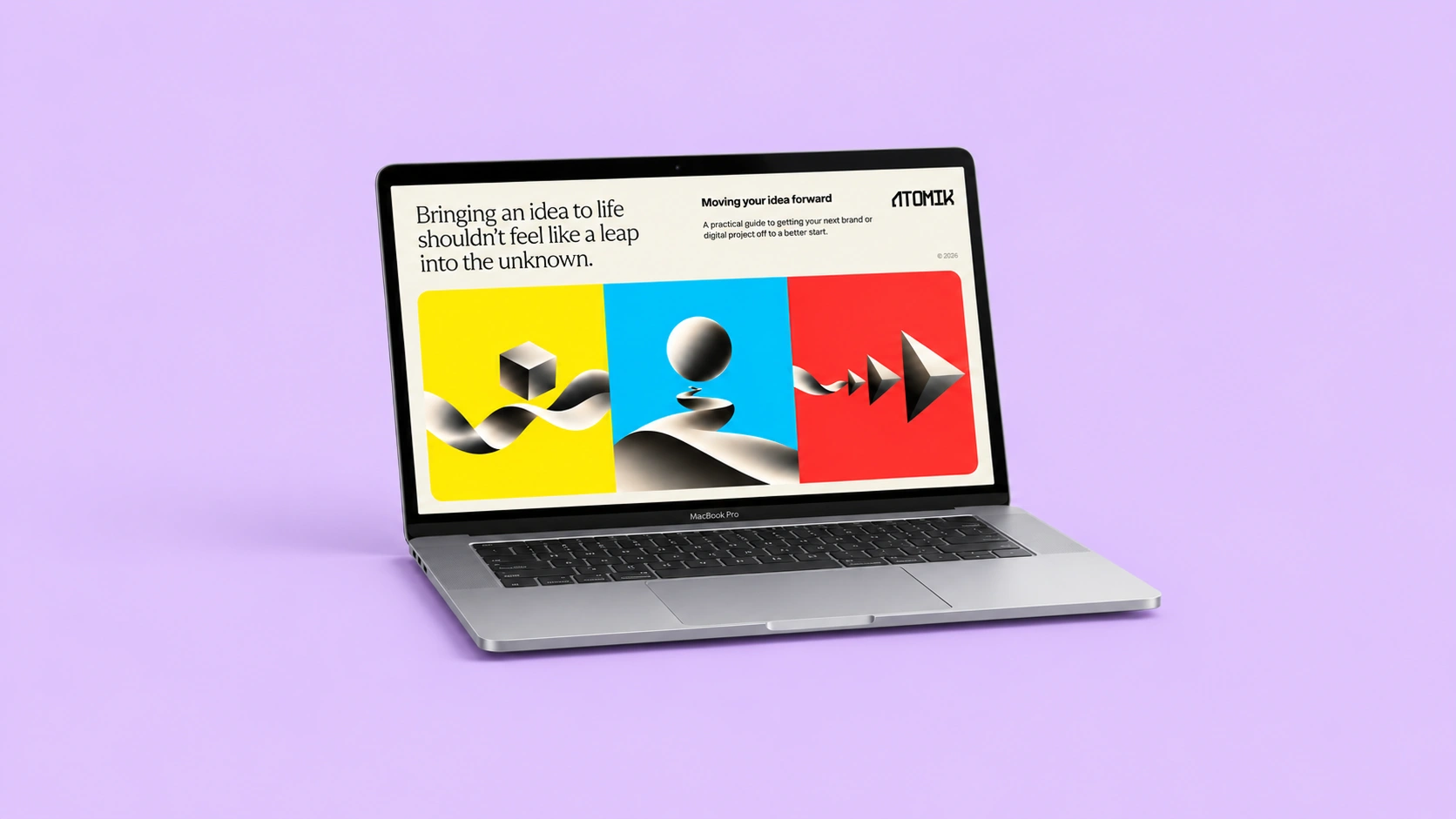
Clarify your challenge, set priorities and prepare a brief for your branding or design needs.