Feel free to reach out:
hello@atomik.studio

October 26, 2026
Why human judgement, creativity and even small imperfections matter in the experiences we create and the way we shape them.
Recently, I made a mistake while shopping online that required a full refund outside the retailer's policy. Fortunately, I spoke to someone who understood the situation, used their judgement and approved it. All resolved within minutes.
A chatbot would likely have quoted the policy or escalated the issue. It's a familiar frustration in everyday life: more screens, automated menus and scripted responses, even in situations where a little initiative and a smile could make all the difference.
PwC's 2025 research found that 86% of US consumers consider human interaction important to their brand experience. Another Australian study found that 78% trust retailers more when given a choice between technology and human assistance.
Robb Report recently described human interaction as the ultimate luxury good in the age of AI.
There's a parallel here for branding agencies.
We don't just define what brands stand for. We help shape their brand experience, including what happens when the promise meets reality.
Design thinking brings customers, employees and different perspectives into the creative process. Beyond gathering insights, these exchanges challenge assumptions and inspire ideas that might never emerge from a brief.
There's also value in human ingenuity, spontaneity and the small imperfections that give brands character. Those recognisable quirks create emotional connections and make brands feel like part of our tribe. After all, people can tell when you actually give a damn.
Automation can improve efficiency. But differentiation also comes from creativity, empathy and knowing when to leave room for human judgement.
The most memorable brand experiences happen when people are empowered to act like people.

Francisco Belo dos Santos shapes brands through strategy, identity and digital experiences. Based in Dubai and born in Lisbon, he brings an international perspective shaped by diverse cultures and markets, combining strategic thinking with a belief in purposeful design.

Francisco Belo dos Santos shapes brands through strategy, identity and digital experiences. Based in Dubai and born in Lisbon, he brings an international perspective shaped by diverse cultures and markets, combining strategic thinking with a belief in purposeful design.
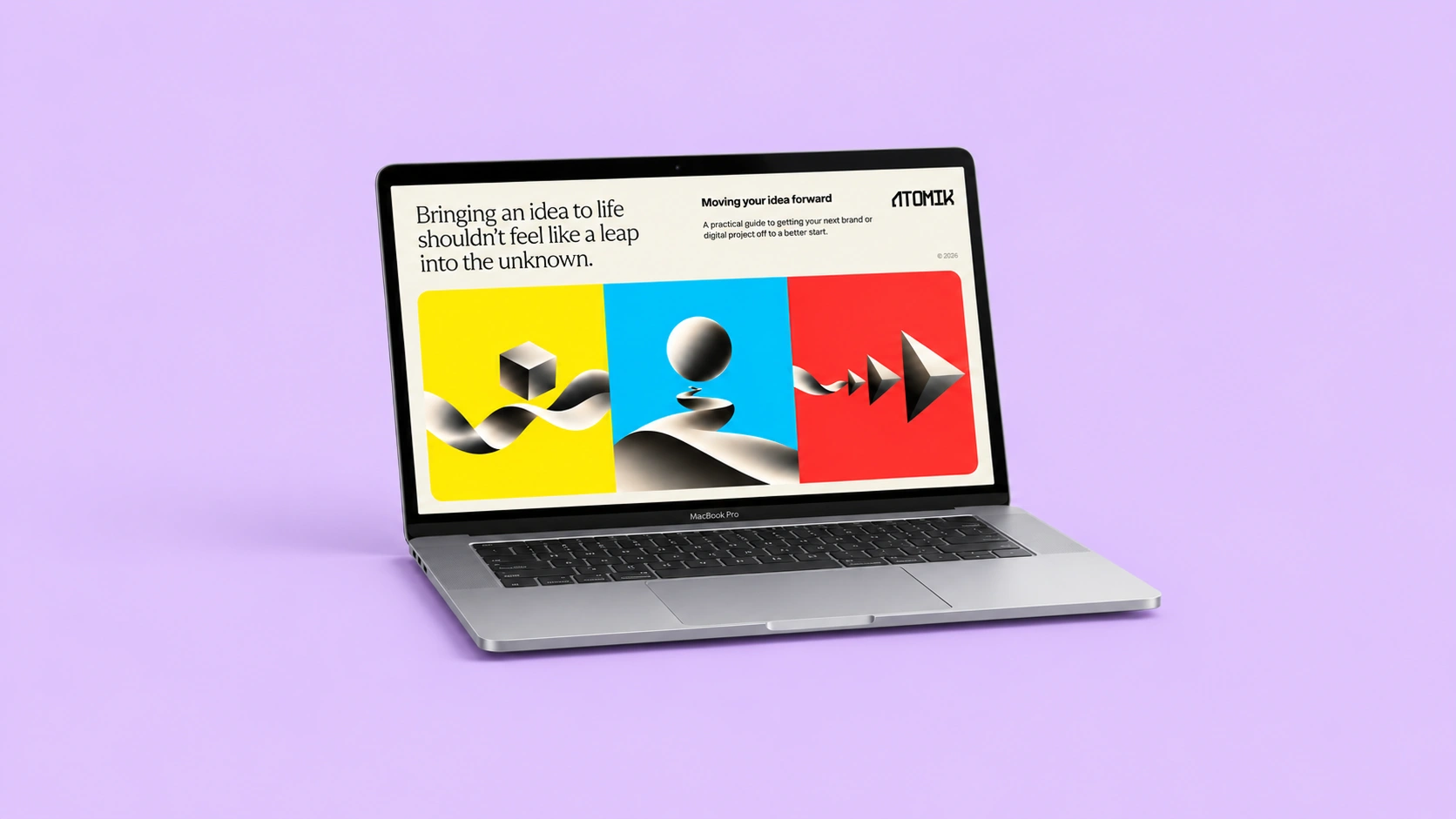
Clarify your challenge, set priorities and prepare a brief for your branding or design needs.