Feel free to reach out:
hello@atomik.studio

October 27, 2026
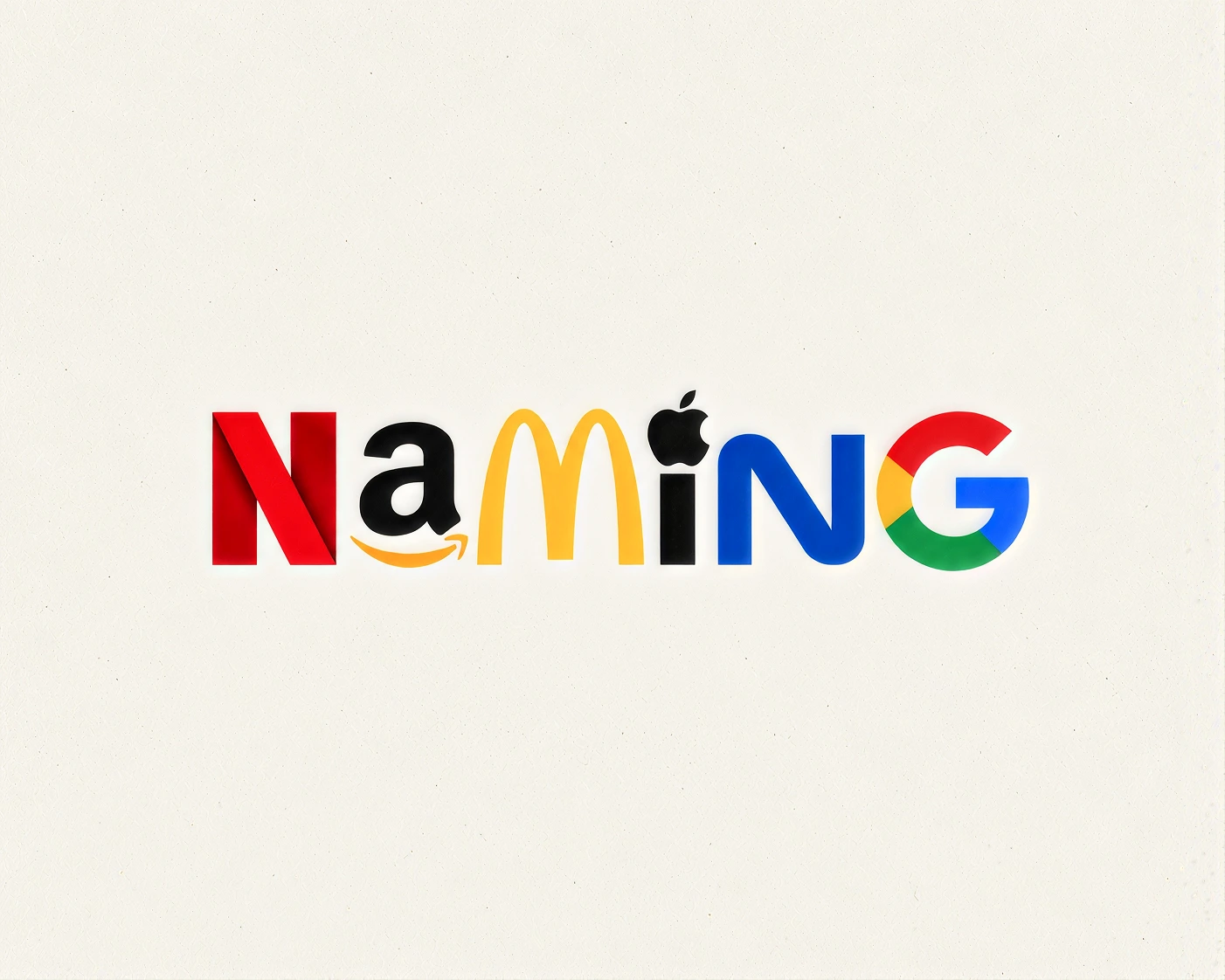
Some names explain what a business does. Others give people something to remember and make their own.
Imagine trying to launch a technology company called Apple today.
Someone would question the relevance. Someone else would suggest adding Tech or Digital so people understand the offer.
And yet Apple is one of the world's most recognisable names.
That recognition wasn't built by the word alone. Products, communication and decades of experience gave it meaning.
A name doesn't have to explain everything a business does. Sometimes it needs to give people something to associate with what the business becomes.
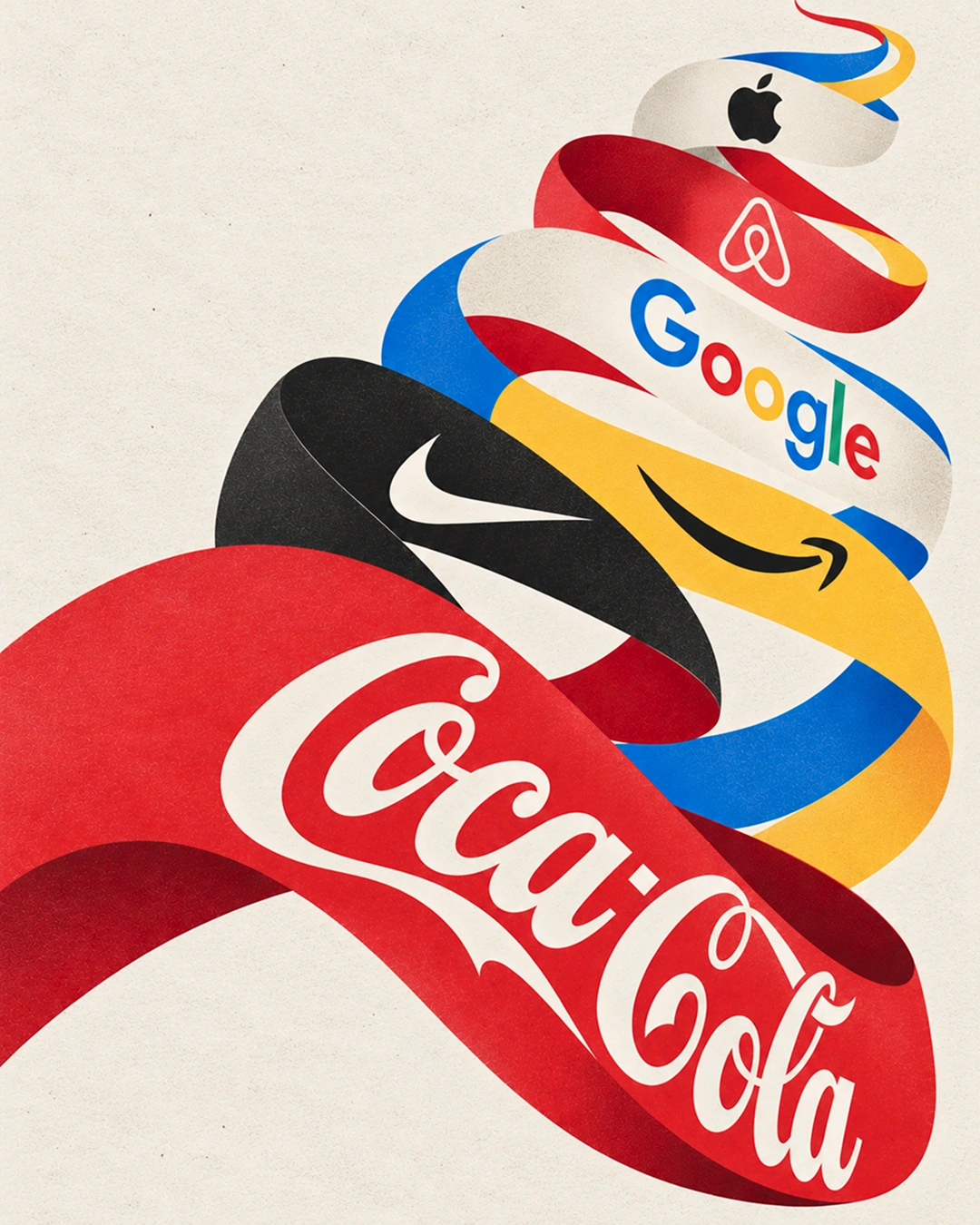
Patagonia, Nike and Amazon don't literally describe everything they sell. They have acquired meaning through what their organisations do.
There's a practical distinction too. The US Patent and Trademark Office explains why arbitrary, suggestive and invented names can offer stronger trademark protection than merely descriptive ones, depending on the circumstances.
But a distinctive word isn't automatically a good brand. People need to say it, remember it, recommend it and experience something worth associating with it.
A name that works beautifully on a slide might be awkward over the phone. One that describes today's service perfectly could become limiting when the business expands. Those choices connect to how a growing business organises its brands.
A logo may change and a product range may grow. A name can carry recognition through both.
Not every business needs an invented word. Sometimes a straightforward name is exactly right. The question is what it needs to accomplish, not whether it tells the whole story.
The Brand Naming Guide covers the process and practical checks.
Choose a name people can use. Then give them good reasons to remember it.

Francisco Belo dos Santos shapes brands through strategy, identity and digital experiences. Based in Dubai and born in Lisbon, he brings an international perspective shaped by diverse cultures and markets, combining strategic thinking with a belief in purposeful design.

Francisco Belo dos Santos shapes brands through strategy, identity and digital experiences. Based in Dubai and born in Lisbon, he brings an international perspective shaped by diverse cultures and markets, combining strategic thinking with a belief in purposeful design.

Clarify your challenge, set priorities and prepare a brief for your branding or design needs.