Menu



Brand experience can sound suspiciously like a term for everything a company does. That's partly why it needs a little unpacking. People encounter businesses through screens, spaces, conversations, processes and small moments that rarely appear in a brand presentation.
Some of those moments create recognition. Others create trust, frustration or relief. The questions below look at where those impressions come from and what a business can realistically do about them.
It's the impression a brand creates through the things people encounter and the way those encounters work. Advertising may create an expectation. The website might reinforce it. A sales conversation, delivery, service failure or follow-up can change it entirely.
Some of those moments are designed deliberately; others emerge from operational decisions. Brand experience is broader than an attractive environment or memorable campaign. It asks whether the business behaves in a way that makes its promise believable. Start with what people actually go through, not what the brand intends them to feel.
They overlap considerably. Customer experience often focuses on the practical quality of interactions: can people understand, buy, use and get support for the service? Brand experience also considers the meanings, expectations and associations carried through those interactions.
A service can be frictionless yet entirely forgettable. It can also feel distinctive but frustrating to use. Treating the disciplines as opponents isn't especially helpful. The more useful question is whether the way a service works supports the brand's intended role.
Often before somebody becomes a customer. A recommendation, search result, storefront, job advertisement or pricing page may set expectations long before a purchase. Those early impressions influence what people assume the business will be like.
Experience doesn't end at checkout, either. Onboarding, documentation, service, renewal and even leaving a product shape memory. Map the journey from the customer's perspective, including the points where the business may not realise it is being evaluated. A moment that seems minor internally may be decisive to someone trying to get something done.
Start by following real journeys rather than listing every imaginable branded surface. Speak to customers and the teams who handle questions, complaints and handovers. Look for moments when people make decisions, become uncertain, change their opinion or need help.
A confusing payment step might deserve more attention than a beautifully designed reception wall. Prioritise by impact, frequency and the consequences when something fails. A map becomes valuable only when it informs an actual change.
There isn't a universal feeling. A lively leisure destination and a specialist medical provider should not necessarily create the same atmosphere. One may need energy and discovery; the other may need calm, confidence and a clear sense of control.
Experience principles should follow what the business promises and what the people using it actually need. Sometimes delight is appropriate. Sometimes people would prefer you to respect their time. Respecting the customer's time can be a more compelling gesture than trying to make every interaction delightful.
Only briefly, and sometimes not even that. An elegant website can establish trust, but delays, confusing processes and unhelpful staff will eventually change how the business is understood. Design can improve service by making information clearer, removing friction and supporting people who deliver it.
It cannot substitute for operational decisions that the business refuses to make. The experience has to be delivered, not merely illustrated.
Through content, interaction patterns, hierarchy, accessibility, feedback, motion and the way the product handles ordinary tasks. The logo and colours matter, but users spend most of their time navigating, reading, entering information and trying to accomplish something.
Brand expression should help those activities, or at least avoid getting in their way. When a product feels confidently simple, for example, it should be simple to use rather than merely using the word 'simple'. A usable digital brand system needs to accommodate both identity and functionality.
Space introduces scale, movement, sound, materials, lighting and the behaviour of other people. Wayfinding can make somebody feel welcome or thoroughly lost. A beautifully branded venue can still be unpleasant if the queues are confusing or essential information is hard to find.
Begin with the activities that take place, the practical constraints and the needs of different visitors. Then consider how brand expression can support those activities. A good environment doesn't have to shout the brand's name at every opportunity. Sometimes it's enough that people know where to go.
No. They should feel connected. Consistency means maintaining recognisable principles across different situations, not forcing a social campaign, customer-support email and payment confirmation into the same template. The context changes what people need and how the brand should respond.
A playful tone may work in a campaign and feel misplaced when a customer has a serious complaint. Define what remains constant, then give teams enough guidance to adapt. A more elastic kind of consistency is helpful when the business serves different people and situations.
No single department can control every part of it. Marketing shapes expectations, design develops systems, product teams decide how things work, operations deliver them and customer-facing employees handle the moments nobody planned.
Someone still needs to coordinate the principles and priorities. That means clear ownership for the journey, practical standards and a way to address problems that cross departmental boundaries. A brand guideline won't fix a handover that nobody owns. The responsibility extends beyond marketing because the experience is made throughout the business.
Consider the people who need to use it, including those with visual, hearing, motor and cognitive differences. Accessibility applies to websites, forms, signage, physical spaces, spoken information and customer-service processes. Test whether people can actually complete essential tasks rather than assuming a design is accessible because its palette looks sensible.
The WCAG guidance provides a recognised framework for digital accessibility; physical environments have their own regulations and practical requirements. A design that excludes people is making a brand decision, whether anyone intended it or not.
Yes, but no single score explains everything. Combine evidence about what people perceive with evidence about what they do. Depending on the business, useful measures might include task completion, support contacts, complaints, satisfaction, repeat use, referrals and changes in brand associations.
Start by identifying the specific experience you intend to improve and establishing a baseline. A beautifully reported satisfaction average can conceal the stage where customers repeatedly get stuck. Compare segments, channels and moments instead of looking only at a headline number.
Pick a meaningful journey and follow it end to end. Identify the moments that most affect trust, understanding and the ability to complete a task. Fix avoidable friction first. Then decide where deliberate brand expression can make those interactions more recognisable or rewarding.
You don't need to redesign every touchpoint at once. A small improvement to the way a service explains itself can matter more than a large campaign announcing how customer-focused it is. Ask what people need to do, what gets in the way and who can change it. That's usually enough to begin.
Begin with different needs, not separate aesthetic themes. A customer choosing a product for the first time, a returning user and a support agent may interact with the same system in very different ways.
Map their goals and constraints, then identify where the brand needs to remain consistent and where the process should adapt. A single universal journey is rarely as neat in reality as it appears in a workshop.
Some people want guidance; others want to complete a familiar task quickly. Designing for both can be a more meaningful expression of care than an extra animation.
Very quickly. Staff decisions, communication and discretion often shape the moments customers remember most. A carefully defined brand voice won't help if customer-facing teams have neither the tools nor the authority to resolve common problems.
Involve those teams when developing the experience, learn where processes make their work harder and provide practical examples of appropriate behaviour. Human interaction can become a genuine point of difference, particularly when competing offers are hard to tell apart.
In what the business actually does and how people encounter those decisions. A claim about responsible materials has limited value if disposal instructions are missing or the product is impossible to repair.
Sustainable decisions may influence packaging, delivery, product lifespan, maintenance and the information customers receive. Communicate specifics and limitations accurately. Avoid turning every operational improvement into an exaggerated brand promise. People should be able to see the evidence in the experience, not only in a campaign.
The business begins collecting evidence that was difficult to reproduce in a workshop. Customers take unexpected routes, staff develop workarounds and new services introduce situations the original plan didn't anticipate. Study those patterns and decide what should change.
The aim isn't to protect every initial design decision. It's to preserve the underlying principles while improving the experience. Sometimes users find a more efficient path than the one designed for them. When people find their own ways around a design, it's sensible to pay attention.

Francisco Belo dos Santos shapes brands through strategy, identity and digital experiences. Based in Dubai and born in Lisbon, he brings an international perspective shaped by diverse cultures and markets, combining strategic thinking with a belief in purposeful design.

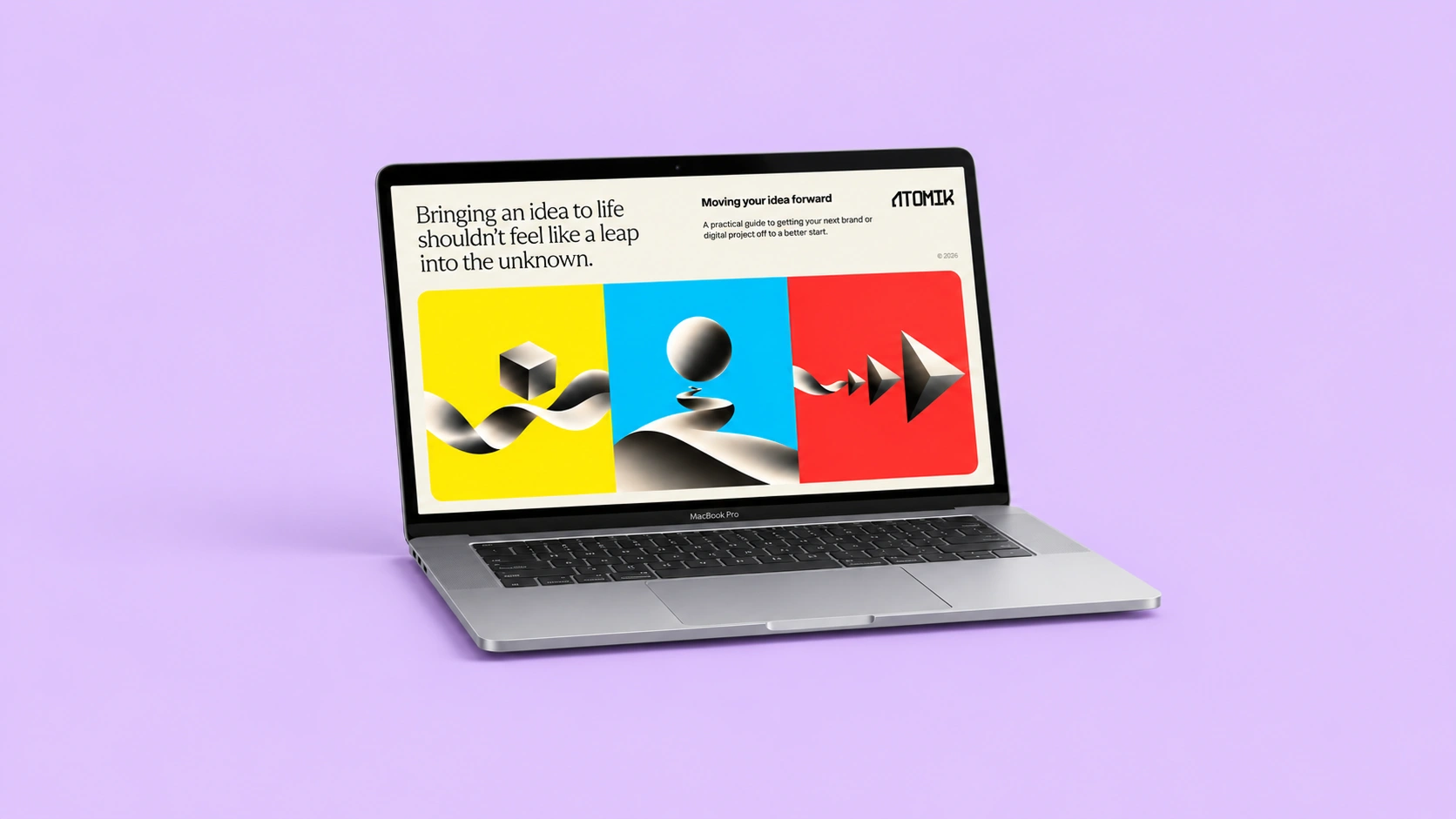
Clarify your challenge, set priorities and prepare a brief for your branding or design needs.
Strategy, identity and digital experiences come together in different ways. Here's a selection of projects shaped by different challenges, ambitions and opportunities.
Explore selected projects ↗Developing something new, rethinking an existing brand or considering a different direction? Tell me what you're working on and we'll take it from there.
Start a conversation ↗