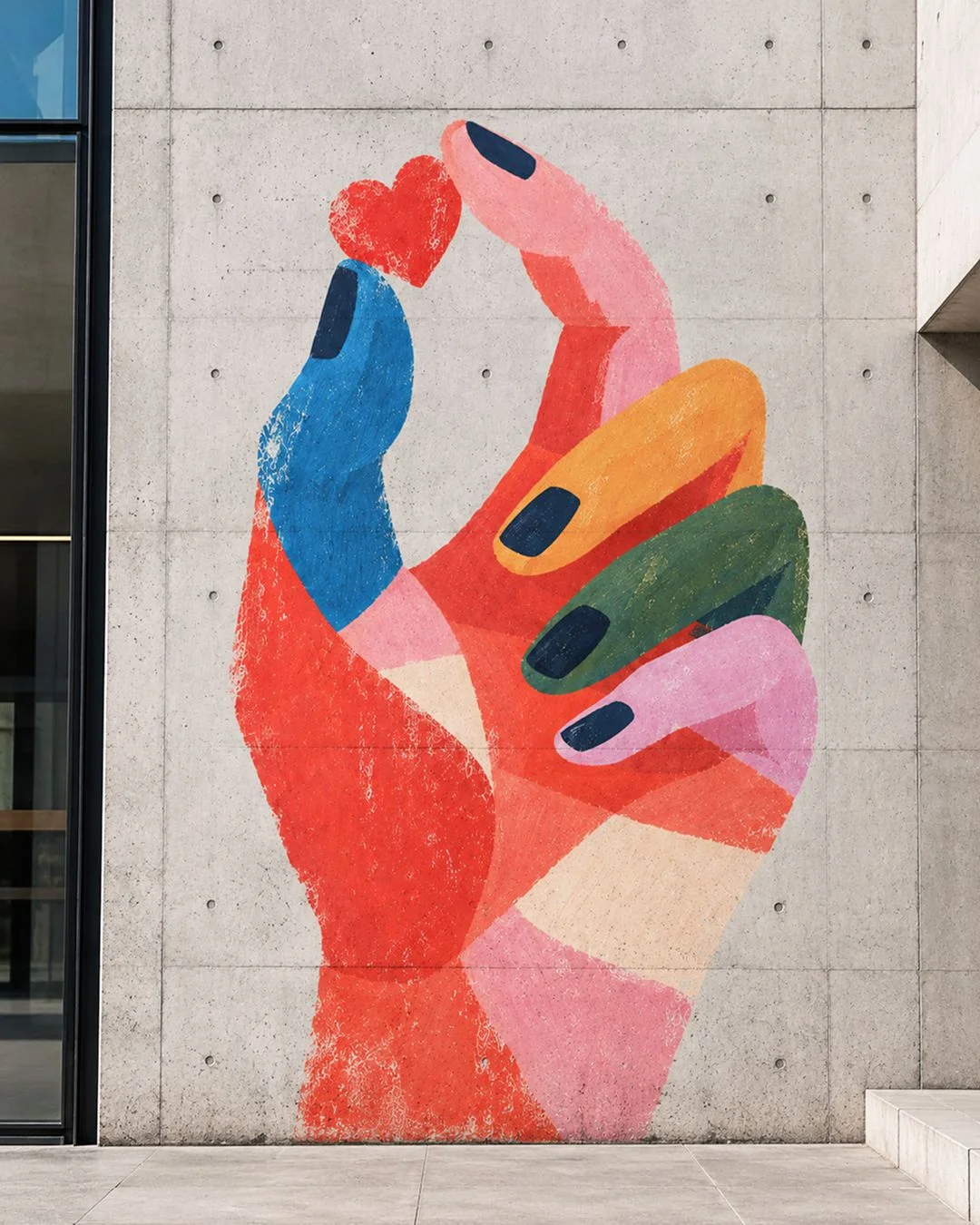
What happens when you take the logo away?
October 9, 2026
Recognition should be built into the entire brand experience, not concentrated in one little symbol.
October 9, 2026
Recognition should be built into the entire brand experience, not concentrated in one little symbol.
A recent Ipsos study on distinctive brand assets made me think about how much we, weirdly, still ask the logo to do.
Their example is simple. A single Pringle, without its packaging or logo, can still be recognised by its shape. That’s the power of a distinctive brand asset. Recognition can live in something much bigger than a mark.
Ipsos studied more than 1,100 brand assets from 900 plus brands worldwide and found that only 15% achieved their highest level of recognition, meaning they could be instantly and uniquely linked to the right brand on their own.
It made me question how often the logo becomes the centre of a branding project. We refine it, present it, approve it and then start putting it everywhere. Somehow, the logo becomes both the beginning of the identity and the perceived finish line.
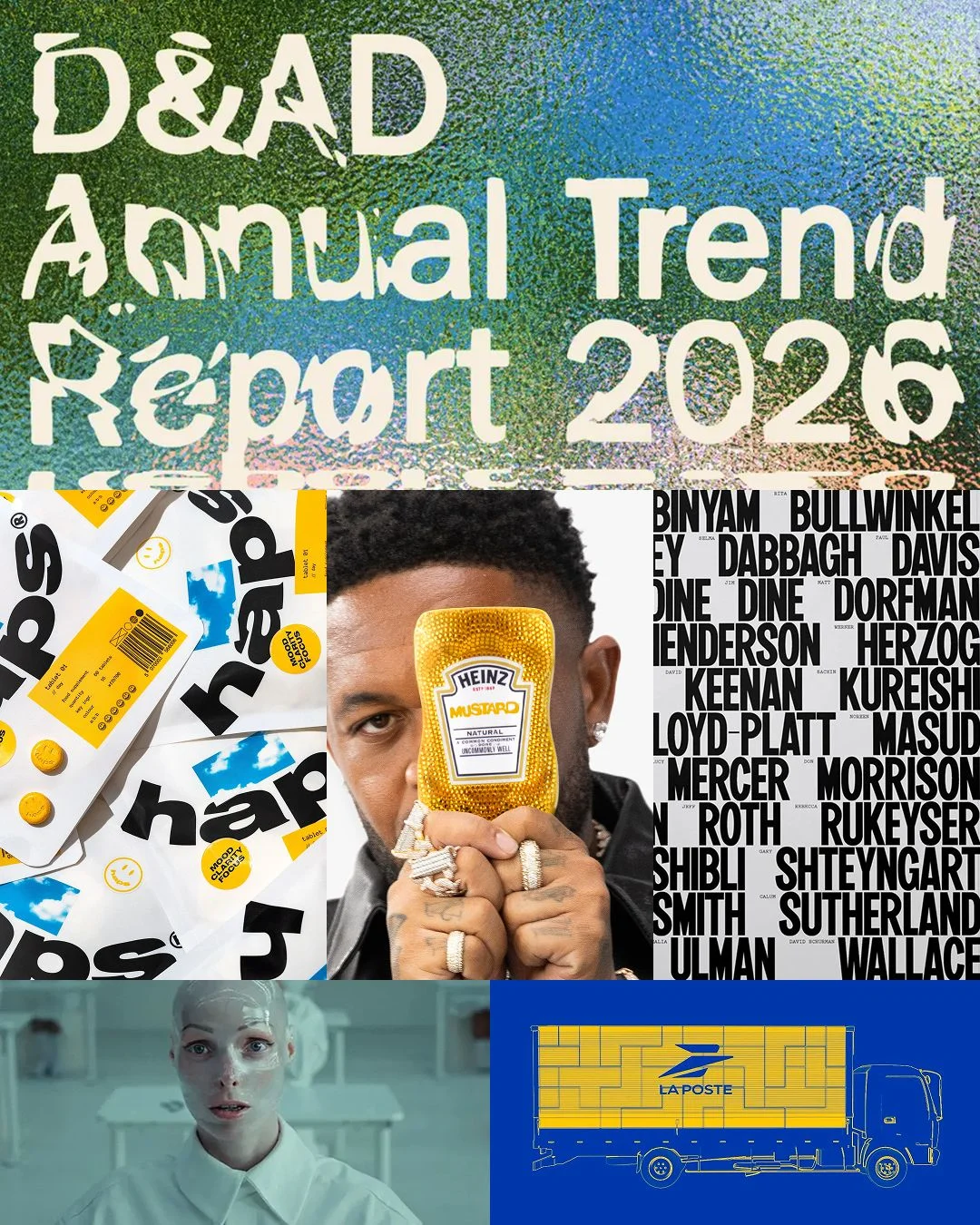
Even if the logo is the starting point, it shouldn’t be the whole story. Colour, typography, imagery, language, packaging, motion, sound and behaviour can all become recognisable. In many cases, they matter more than the logo itself because they shape how people really experience the brand. The goal is to create a number of distinctive assets and use them consistently, so recognition builds across the whole brand rather than resting on one mark.
I’m always pleased when a client says, “I don’t want a logo. I want a brand identity.”
Because it means we can start with a much better question:
What could people recognise if we took the logo away?
Francisco Belo dos Santos shapes brands through strategy, identity and digital experiences. Based in Dubai and born in Lisbon, he brings an international perspective shaped by diverse cultures and markets, combining strategic thinking with a belief in purposeful design.
.svg)
Francisco Belo dos Santos shapes brands through strategy, identity and digital experiences. Based in Dubai and born in Lisbon, he brings an international perspective shaped by diverse cultures and markets, combining strategic thinking with a belief in purposeful design.