Menu


A digital product needs to help people accomplish something while supporting the objectives of the business. Good UX/UI design connects user needs, functionality and brand expression so the experience feels clear, useful and coherent.
From product strategy and user flows to interface design, prototypes and design systems, develop the foundations of a digital experience that can be tested, improved and extended. Accessibility and practical development requirements are considered throughout.
Digital product design services
Build a product experience around meaningful tasks, clear interactions and a consistent interface. Establish the principles and reusable components that help the product work today and evolve as its needs change.
Define the problem the product needs to solve, the audiences it serves and the outcomes the business wants to achieve. Translate research, requirements and constraints into a clear experience direction, prioritised features and practical criteria for success.
Map the tasks people need to complete and design the paths, states and interactions that help them get there. Reduce unnecessary steps, clarify decisions and account for errors, empty states and alternative journeys so the experience supports real use.
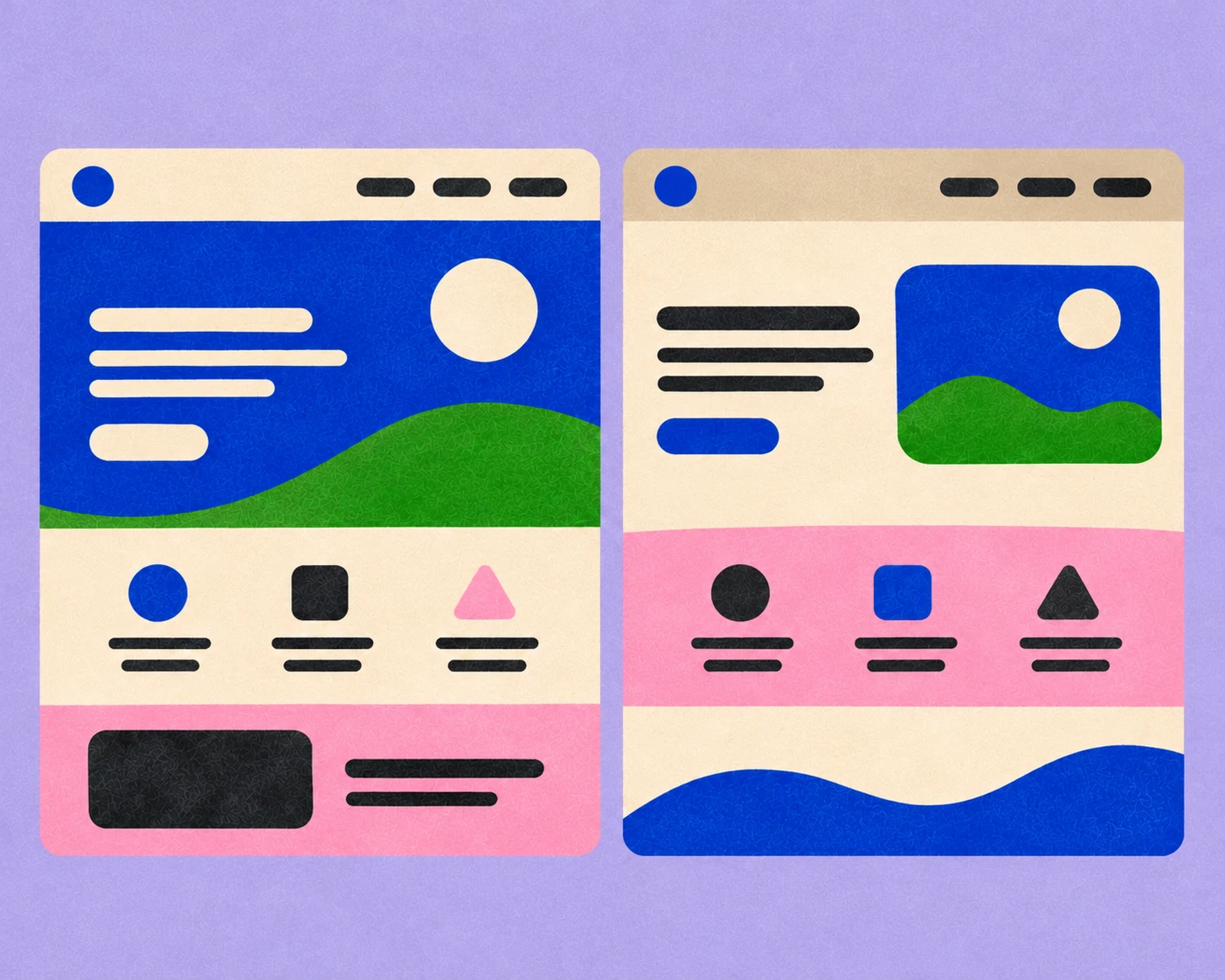
Develop the visual interface around the product’s functionality and brand identity. Establish hierarchy, layout, typography, colour and interaction states that make the experience understandable, accessible and consistent across relevant devices and contexts.
Create interactive prototypes that allow people to experience key journeys before development. Observe how users complete tasks, identify points of confusion and use the findings to refine flows, content and interface decisions before committing to more costly implementation.
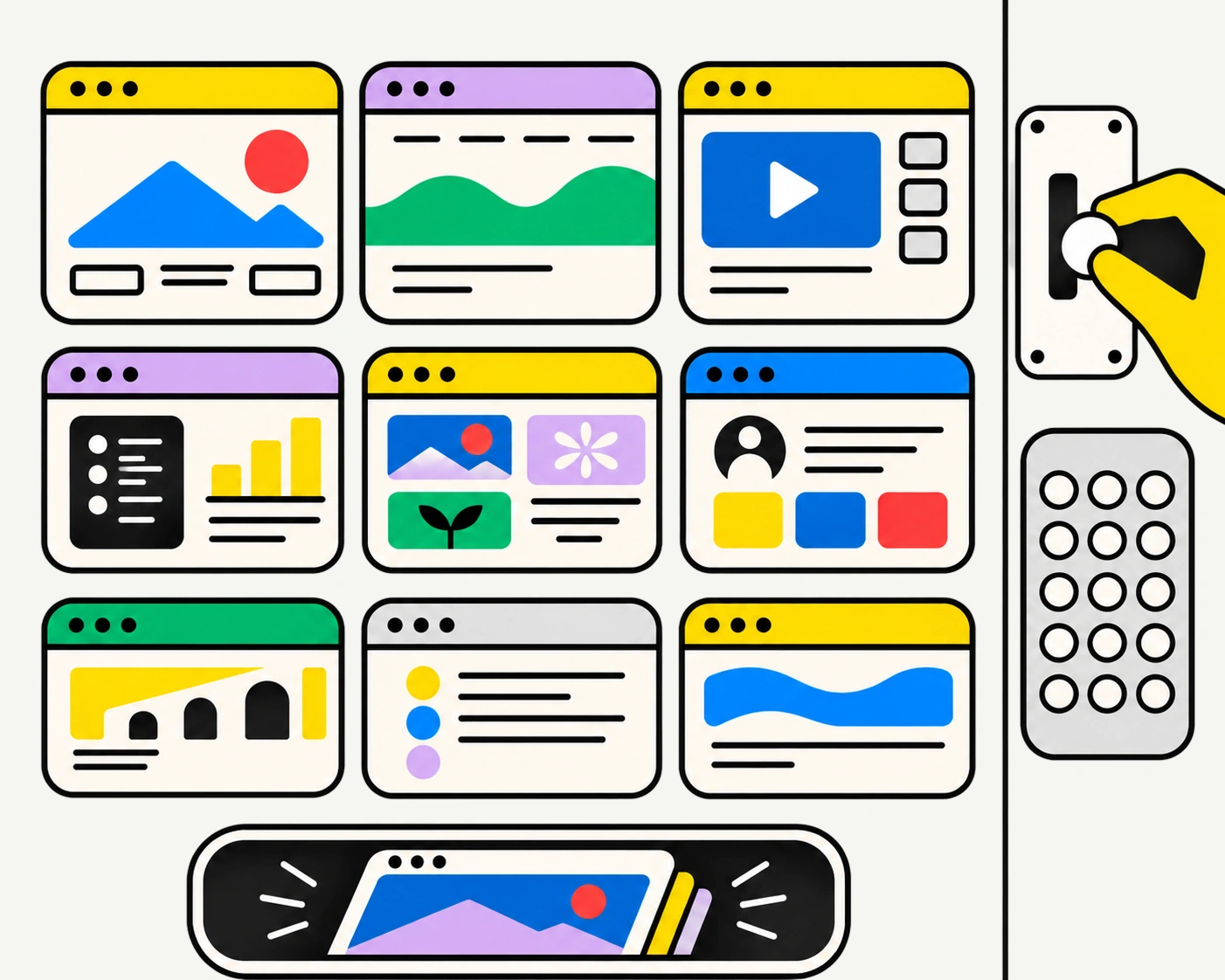
Develop reusable components, patterns, tokens and usage guidance that connect the product’s visual language with its functional requirements. Establish a shared foundation for designers and developers so new features can be built consistently and the system can evolve over time.
Share what you're building and who will use it.
What is the difference between UX and UI design?
UX design focuses on how a product works for its users, including their tasks, journeys and interactions. UI design focuses on the interface through which those interactions happen, including layout, hierarchy, visual elements and states. The two disciplines work together to shape the experience.
Can you improve an existing digital product without redesigning everything?
Yes. An assessment of user journeys, existing components and usability issues can identify targeted improvements. The scope may range from refining a particular flow or interface to restructuring the product’s experience when more fundamental problems exist.
What is a digital design system?
A digital design system is a collection of reusable components, patterns, tokens and guidance that helps teams build a consistent product. It connects design decisions to development and provides a foundation for maintaining and extending the interface.
How is usability testing used in product design?
Usability testing observes people attempting representative tasks using a prototype or existing product. It reveals where expectations, language or interactions cause difficulty, helping teams prioritise improvements based on evidence rather than assumptions.
Does digital product design include development?
The design scope can include product strategy, UX, UI, prototypes, design systems and developer handover. Software development is a separate scope that depends on the product’s technology and requirements. Design and development should collaborate throughout to ensure the proposed experience is feasible.
Strategy, identity and digital experiences come together in different ways. Here's a selection of projects shaped by different challenges, ambitions and opportunities.
Explore selected projects ↗Developing something new, rethinking an existing brand or considering a different direction? Tell me what you're working on and we'll take it from there.
Start a conversation ↗