Menu


Brand architecture defines how the brands, products and services within a business relate to each other. It makes the portfolio easier for people to understand while helping the organisation decide how new offers should be introduced, named and managed.
Establish a structure that reflects business ambitions, audience needs and existing brand equity. A clear architecture helps avoid unnecessary complexity, supports recognition and gives the portfolio room to evolve as the business grows.
Brand architecture services
Define the role of each brand and offer within the portfolio. Establish the relationships, naming principles and practical rules that make the structure understandable today and adaptable to future changes.
Review the existing portfolio, its audiences, business roles and sources of equity to understand which brands are needed and why. Define the purpose and contribution of each brand, identifying opportunities to focus investment, reduce overlap and support growth.
Determine how individual brands should relate to the parent brand, from a unified masterbrand to endorsed or independent brands. Evaluate each model against audience expectations, strategic fit, reputational considerations and the value of existing recognition.
Organise products, services and propositions into a structure that makes their relationships clear to customers and teams. Establish logical categories, hierarchies and naming principles that help people find the right offer and make future additions easier to manage.
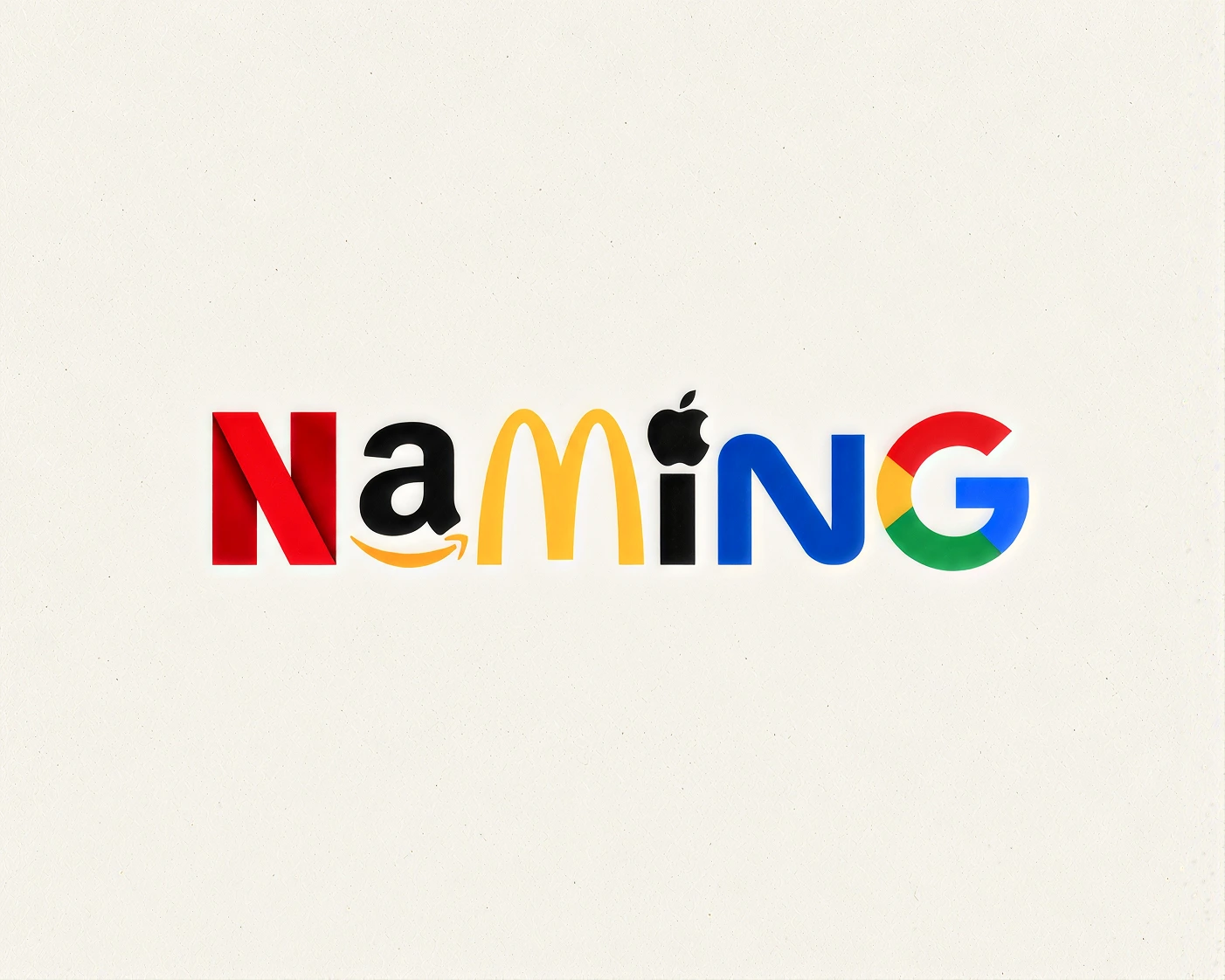
Define the principles that govern how brands, products and services are named across the portfolio. Establish the role of descriptive and distinctive names, the relationship to the parent brand and practical rules that support consistency without creating unnecessary restrictions.
Assess how acquisitions, overlapping offers or legacy brands fit into the portfolio. Identify which brands should be retained, endorsed, integrated or retired, and establish a transition approach that protects useful equity while making the structure easier to understand.
Describe your brands and how they relate.
What is brand architecture?
Brand architecture is the organising structure that defines the relationships between a business’s brands, products and services. It clarifies the role of each offer and how it relates to the wider portfolio, helping both customers and the organisation navigate it.
What are the main types of brand architecture?
Common models include a branded house, in which offers share a masterbrand; a house of brands, in which brands operate independently; and endorsed or hybrid models, which combine elements of both. The appropriate structure depends on the business, audiences and existing brand equity.
When does a business need to review its brand architecture?
A review is useful when a business expands into new markets, launches multiple offers, acquires another business or finds its portfolio difficult to explain. It can also help when overlapping brands create confusion, inconsistent naming or unnecessary operational complexity.
How is brand architecture different from brand positioning?
Positioning defines the role and value of a brand relative to its audiences and competitors. Architecture defines how that brand relates to other brands and offers in the portfolio. The two should inform each other so individual positions and the wider structure remain coherent.
What does a brand architecture project deliver?
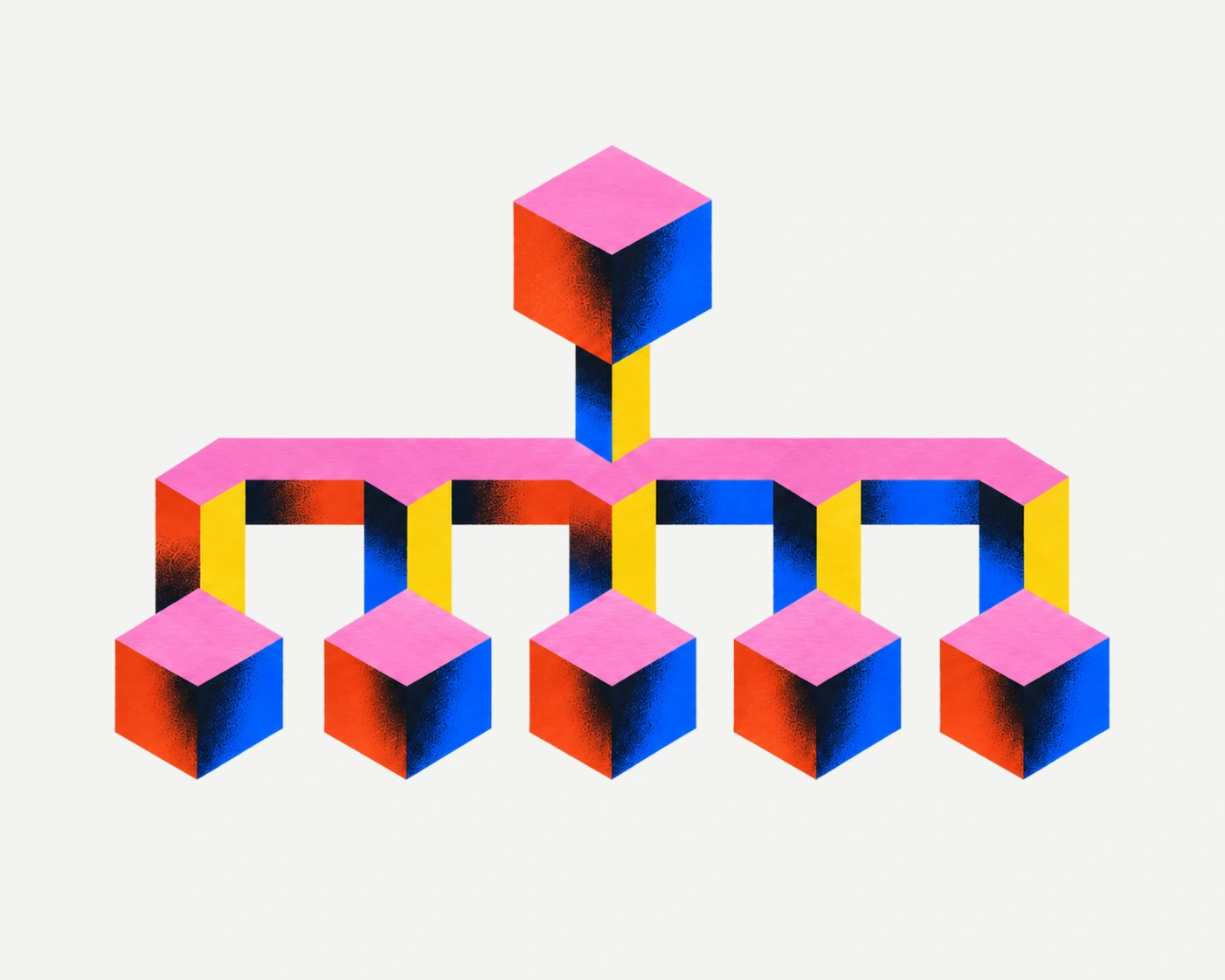
Deliverables can include a portfolio assessment, an architecture recommendation, a visual map of brand relationships, naming principles and rules for introducing or integrating new offers. Where the structure changes, a transition plan can clarify how the new model should be implemented.
Strategy, identity and digital experiences come together in different ways. Here's a selection of projects shaped by different challenges, ambitions and opportunities.
Explore selected projects ↗Developing something new, rethinking an existing brand or considering a different direction? Tell me what you're working on and we'll take it from there.
Start a conversation ↗