Feel free to reach out:
hello@atomik.studio

October 31, 2026
A practical guide to finding the words for your brand and making them work across teams and channels.
Brands are often judged by how they look. Yet people encounter their words every day, in websites, emails, product descriptions, presentations and customer support. A polished identity can feel surprisingly fragmented when every team communicates differently.
Verbal identity gives language the same attention as visual design. It establishes what a business says, how it says it and how people can apply those decisions consistently.
Verbal identity translates brand strategy into a way of communicating. It includes the brand's voice, its adaptable tone, core messaging, preferred vocabulary, naming and practical writing principles. Together, these create a system rather than a collection of catchy slogans.
Confident, approachable, innovative and human. Four descriptions that could apply to almost every business. Before choosing personality traits, clarify what makes the company different, what its audience cares about and what expectations exist within its category.
Strong positioning gives the language a job to do. Review how competitors speak and look for familiar claims that nobody explains.
Practical output: a communication objective, audience needs and a clear central proposition.
Useful principles come with boundaries. Direct, not abrupt. Confident, not arrogant. Conversational, not overly familiar. Each should explain what the characteristic means and what to avoid.
Show real before-and-after examples. Instead of saying 'we leverage integrated solutions', a company might say 'we connect the tools your team already uses'. Neither style is universally correct. The audience determines what is appropriate.
Mailchimp's voice and tone guidance shows how a brand can put these distinctions into working examples.
Practical output: three or four voice principles, each with positive and negative examples.
Voice is the consistent personality behind communication. Tone changes according to the moment. A hospitality company can be warm when welcoming guests and direct when handling a cancellation. It doesn't need a new personality to deliver bad news responsibly.
List common situations, from marketing and onboarding to complaints and payment reminders, and identify what the reader needs from each message.
Practical output: a tone matrix, with sample copy for different contexts.
A business promising simplicity should explain what becomes simpler. Fewer steps? Clearer costs? Faster answers? Abstract claims need concrete support.
Develop a primary proposition, supporting messages and reasons to believe them. Ask whether a competitor could copy the sentence without changing anything. If the answer is yes, the message probably needs work.
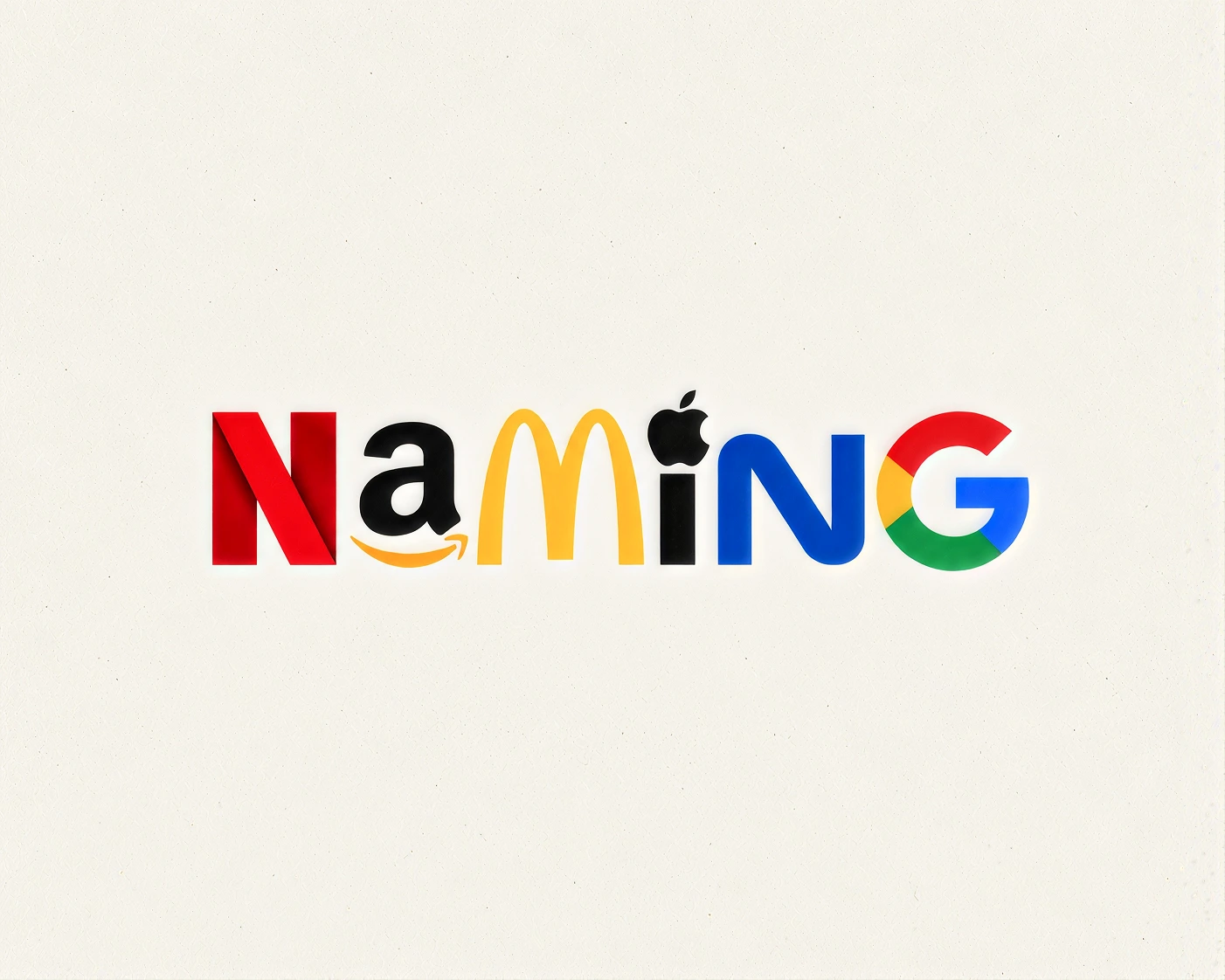
Language choices also influence brand naming, product labels and how services are explained.
Practical output: a message hierarchy, supported by examples and evidence.
Choose preferred terminology, expressions to avoid and a consistent approach to spelling, numbers, punctuation and product names. A vocabulary isn't a list of fashionable words. It should help people write accurately without sounding interchangeable with every competitor.
For digital communication, W3C's accessibility writing advice is useful for making information clearer and easier to navigate.
Practical output: a short terminology list and examples of how it changes real copy.
Brands communicating in English and Arabic need a shared personality, not identical sentence structures. Idioms, humour and cultural references may need to change to retain the intended meaning.
As with building brands for Dubai's many audiences, relevance comes from understanding different expectations without changing the business's identity for every group. Involve native speakers and writers in developing examples, not merely approving literal translations at the end.
Practical output: multilingual examples and approved terminology.
Test the system on headlines, proposals, interfaces, customer emails and complaints. Can a non-writer use it naturally? Does it work in a short error message? Does it remain recognisable when several people contribute?
Good brand guidelines translate these decisions into examples, templates and responsibilities. AI can help teams apply the rules, but clear direction and human review remain important.
Practical output: a concise verbal identity guide and an example library.
The aim isn't for every sentence to sound branded. It's for the business to communicate clearly and consistently without depending on one copywriter to keep its personality intact.
A brand shouldn't need its logo attached to every sentence to sound like itself.
What's the difference between brand voice and tone of voice?
+Brand voice is the consistent personality behind communication. Tone adapts that personality to the situation, such as a promotion or customer complaint.
Does every business need a verbal identity?
+Every business benefits from consistent language, but the system can be simple: a few clear principles, messages and practical examples.
Can AI maintain a consistent brand voice?
+AI can apply guidelines and adapt copy, but it needs strong examples and human review. It shouldn't invent the brand's personality with each prompt.
Should Arabic and English use identical wording?
+No. Both should express the same identity, but phrasing and cultural references may need adapting to feel natural.

Francisco Belo dos Santos shapes brands through strategy, identity and digital experiences. Based in Dubai and born in Lisbon, he brings an international perspective shaped by diverse cultures and markets, combining strategic thinking with a belief in purposeful design.

Francisco Belo dos Santos shapes brands through strategy, identity and digital experiences. Based in Dubai and born in Lisbon, he brings an international perspective shaped by diverse cultures and markets, combining strategic thinking with a belief in purposeful design.
Clarify your challenge, set priorities and prepare a brief for your branding or design needs.