Feel free to reach out:
hello@atomik.studio
November 4, 2026
How Dubai's designers are finding new ways to express cultural identity without relying on familiar heritage symbols.
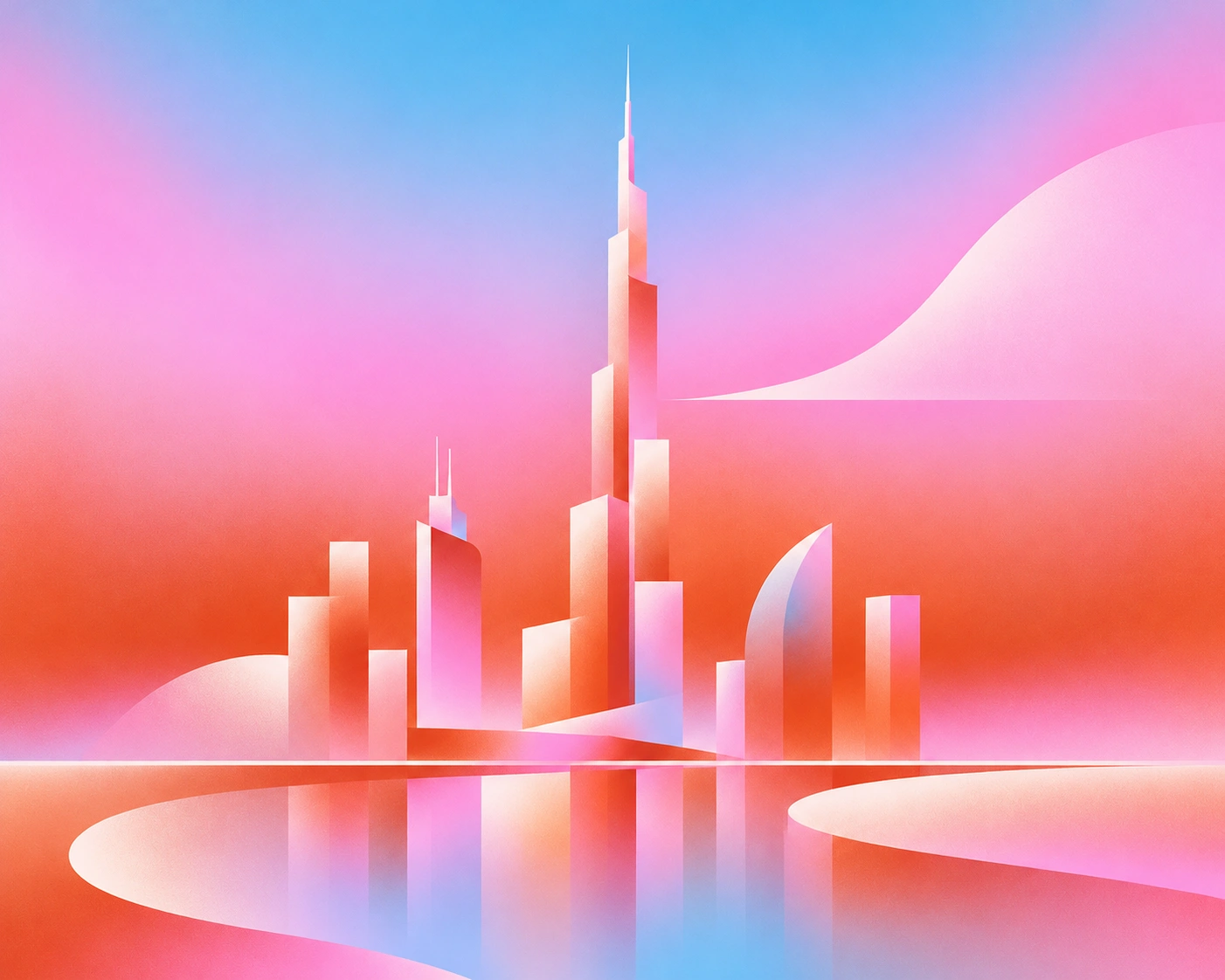
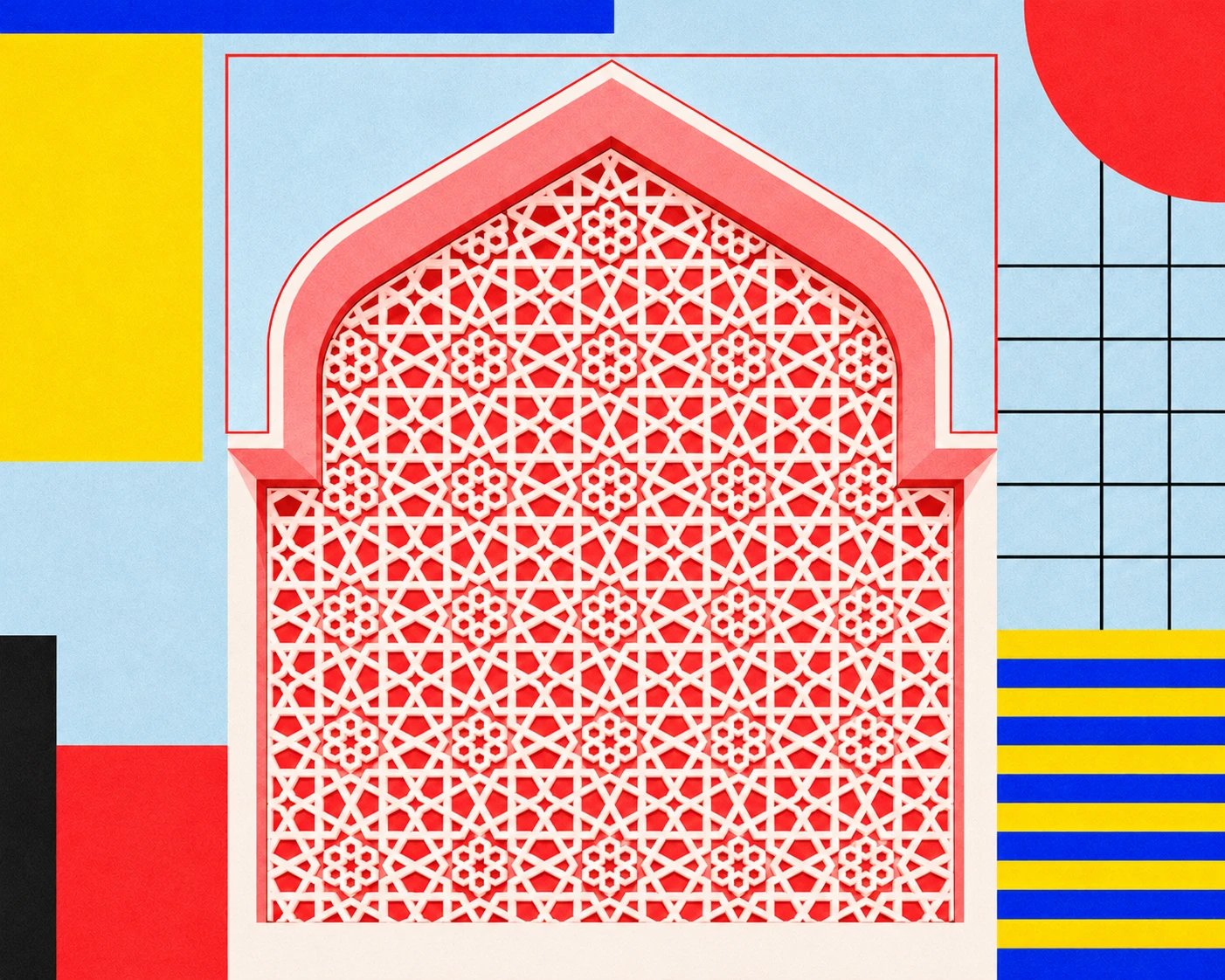
There's a fairly recognisable visual vocabulary for communicating heritage in the UAE.
Arabic calligraphy, geometric patterns, desert landscapes, traditional architecture and a shade of gold. All have their place. Some have been used so often that they can feel like the default response to anything described as locally inspired.
But cultural identity goes well beyond the symbols we associate with it.
This matters for businesses in Dubai that want to express a connection to the region while presenting themselves as contemporary and internationally relevant.
They shouldn't have to choose between the two.
At Dubai Design Week 2026, the UAE Designer Exhibition, Inherited Futures, brings together creatives exploring how traditional materials, rituals and methods of making can inform contemporary design.
The approach goes beyond reproducing familiar visual references.
Taking a traditional pattern and applying it to a modern object is one possibility. Understanding why a particular material, technique or object developed in the first place can offer considerably more.
A craft tradition carries knowledge about climate, available resources, community and the way people lived.
Designers can use that knowledge to create something new. The result doesn't have to resemble its source to maintain the connection.
Emirati architect Rasha Saffarini's Taqleem, presented at Dubai Design Week, offers an example.
The installation reinterprets the traditional practice of palm-tree trimming as a contemporary communal space, drawing on Emirati craft and collective memory.
Rather than simply reproducing the visual appearance of a traditional object, it takes a familiar practice and develops it into a place where people can gather and interact.
The reference is cultural. The expression belongs to the present.
Local identity can be communicated through how something is made, how it functions and how people experience it. It doesn't have to rely entirely on appearance.
There's also a risk at the other end of the spectrum.
In the effort to look international, brands sometimes adopt an aesthetic so familiar that their origins become almost impossible to recognise.
Clean typography, neutral colours, minimal layouts and polished photography can communicate sophistication. They can also make businesses from entirely different places look remarkably similar.
An international visual language isn't a problem in itself. But following the same visual conventions as everyone else can leave very little room for character.
A contemporary identity doesn't need to advertise its nationality at every opportunity.
It can reflect local character through language, materials, products, service rituals, cultural understanding or the way it responds to its environment.
Those details can give a brand more personality than another geometric motif.
For a business developing its identity in Dubai, I'd start by looking at what its connection to place actually means.
Is it reflected in the product? In how the company operates? In a particular material or craft? In the people it serves, the languages it uses or its understanding of local expectations?
Some businesses have a meaningful connection to the region that deserves expression. Others operate in Dubai without needing to make local heritage central to their identity.
There isn't a single correct answer.
The problem starts when culture is treated as a visual style that can be applied once all the important decisions have been made.
Good brand identity design should express something true about the organisation. The same applies when a business wants to communicate where it comes from.
Dubai's identity has developed through change, exchange and reinvention. Its cultural roots and appetite for the new aren't competing qualities.
Contemporary designers can draw from both.
For brands, that opens up more possibilities than another familiar representation of the region.
Local character might come through a way of working, a material choice or an experience that makes complete sense here.
It doesn't always need to announce itself.
And sometimes that's what makes the connection convincing.
How can brands express local identity without using traditional symbols?
+Explore cultural practices, materials, language, customer expectations and experiences that genuinely connect the business to its location, rather than relying only on decorative references.
Does a contemporary brand in Dubai need to reference Emirati heritage?
+Not necessarily. It depends on the business, its history, audience and positioning. Cultural references should have a meaningful connection to the organisation.
What is Inherited Futures at Dubai Design Week 2026?
+It's the theme of the UAE Designer Exhibition, exploring how inherited materials, rituals and methods of making can inform contemporary design.
Can an international brand develop a local identity?
+An international brand can adapt its communication and experience to local expectations while maintaining a recognisable core identity. Adaptation doesn't require creating a completely different brand.

Francisco Belo dos Santos shapes brands through strategy, identity and digital experiences. Based in Dubai and born in Lisbon, he brings an international perspective shaped by diverse cultures and markets, combining strategic thinking with a belief in purposeful design.

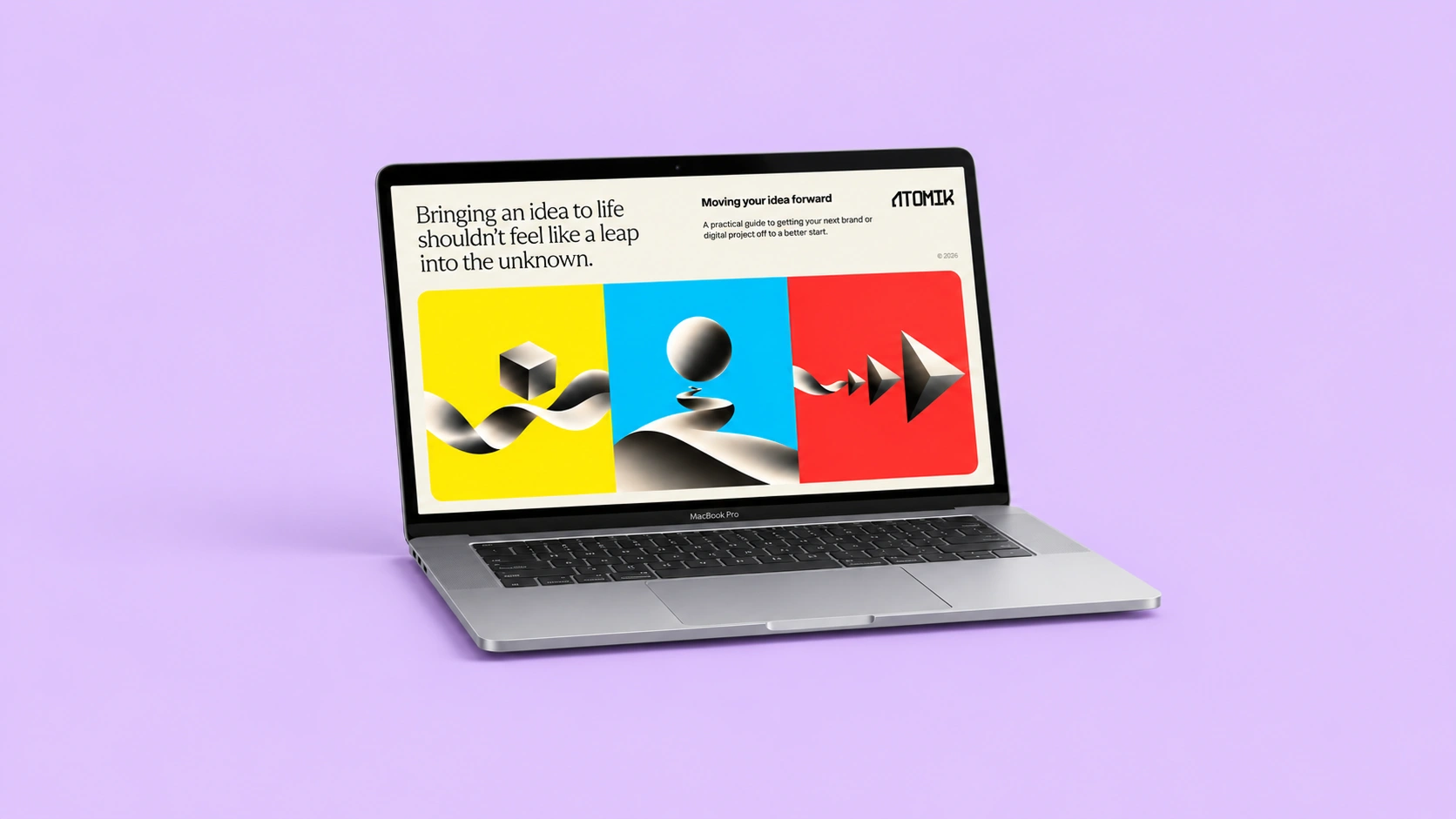
Clarify your challenge, set priorities and prepare a brief for your branding or design needs.
Strategy, identity and digital experiences come together in different ways. Here's a selection of projects shaped by different challenges, ambitions and opportunities.
Explore selected projects ↗Developing something new, rethinking an existing brand or considering a different direction? Tell me what you're working on and we'll take it from there.
Start a conversation ↗