Menu


A rebrand is a business decision before it becomes a design project. It can help a business respond to a changing market, clarify its direction or reconnect with the people it needs to reach.
Understand what is working, what is holding the brand back and which elements carry existing recognition. A rebranding strategy defines the right scale of change and gives the business a clear direction for its next chapter.
Rebranding services
From assessing the existing brand to planning its transition, establish a clear case for change and a direction that protects valuable equity while addressing what no longer works.
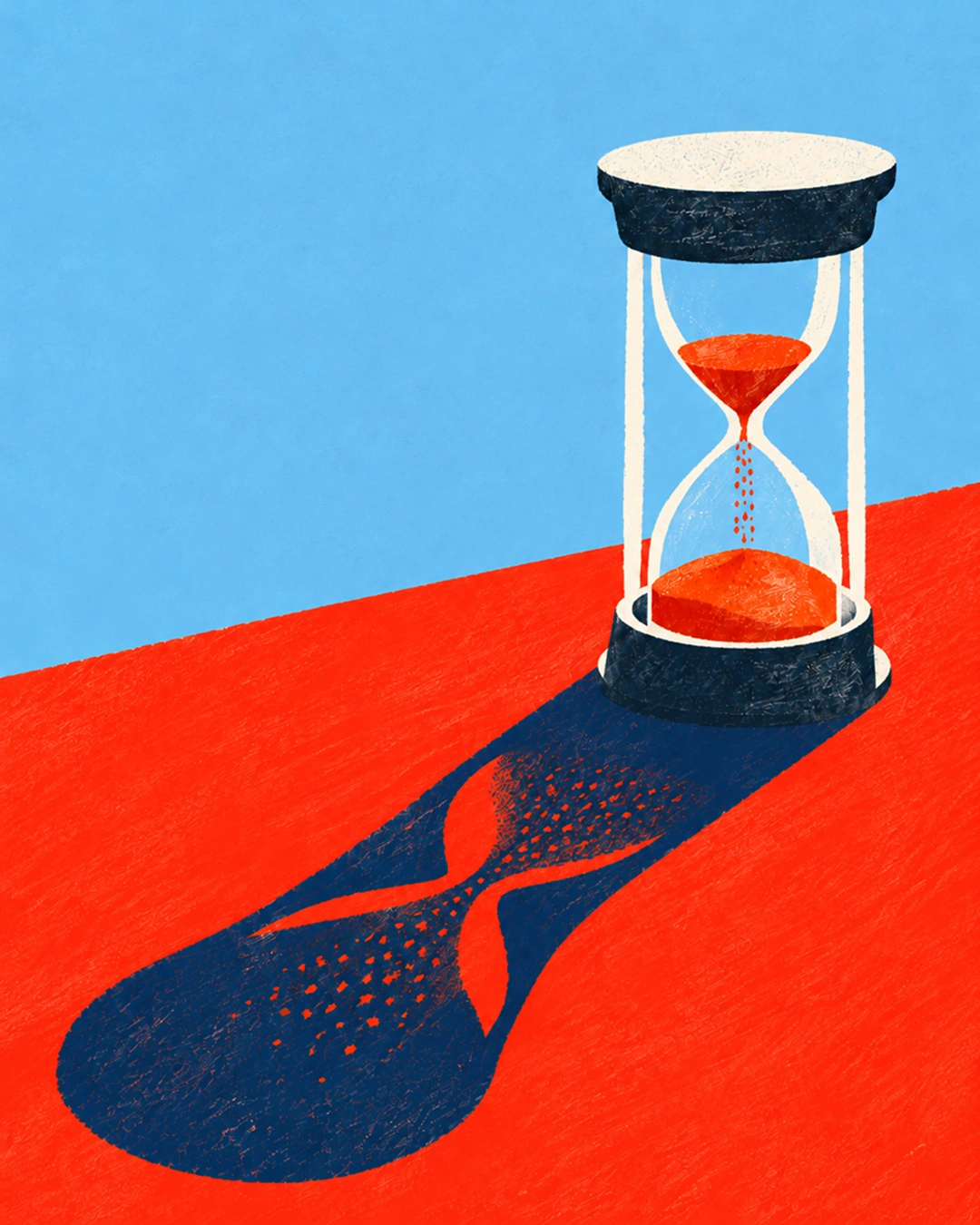
Understand why a rebrand is being considered and whether it is the right response. Review the existing strategy, identity, customer perceptions, market context and business objectives to identify the issues that need to be addressed.
Identify where an existing brand needs to evolve without losing its core identity. Define the changes that can improve relevance, clarity and consistency while retaining familiar assets and the recognition they have built over time.
Reconsider the brand's place in the market when the business, audience or competitive context has changed. Establish a clearer proposition, relevant differentiation and a strategic direction that can guide subsequent identity and experience decisions.
Identify the elements people already associate with the brand, from its name and visual assets to language and experiences. Use evidence of recognition and relevance to decide what should remain, evolve or be replaced during the rebrand.
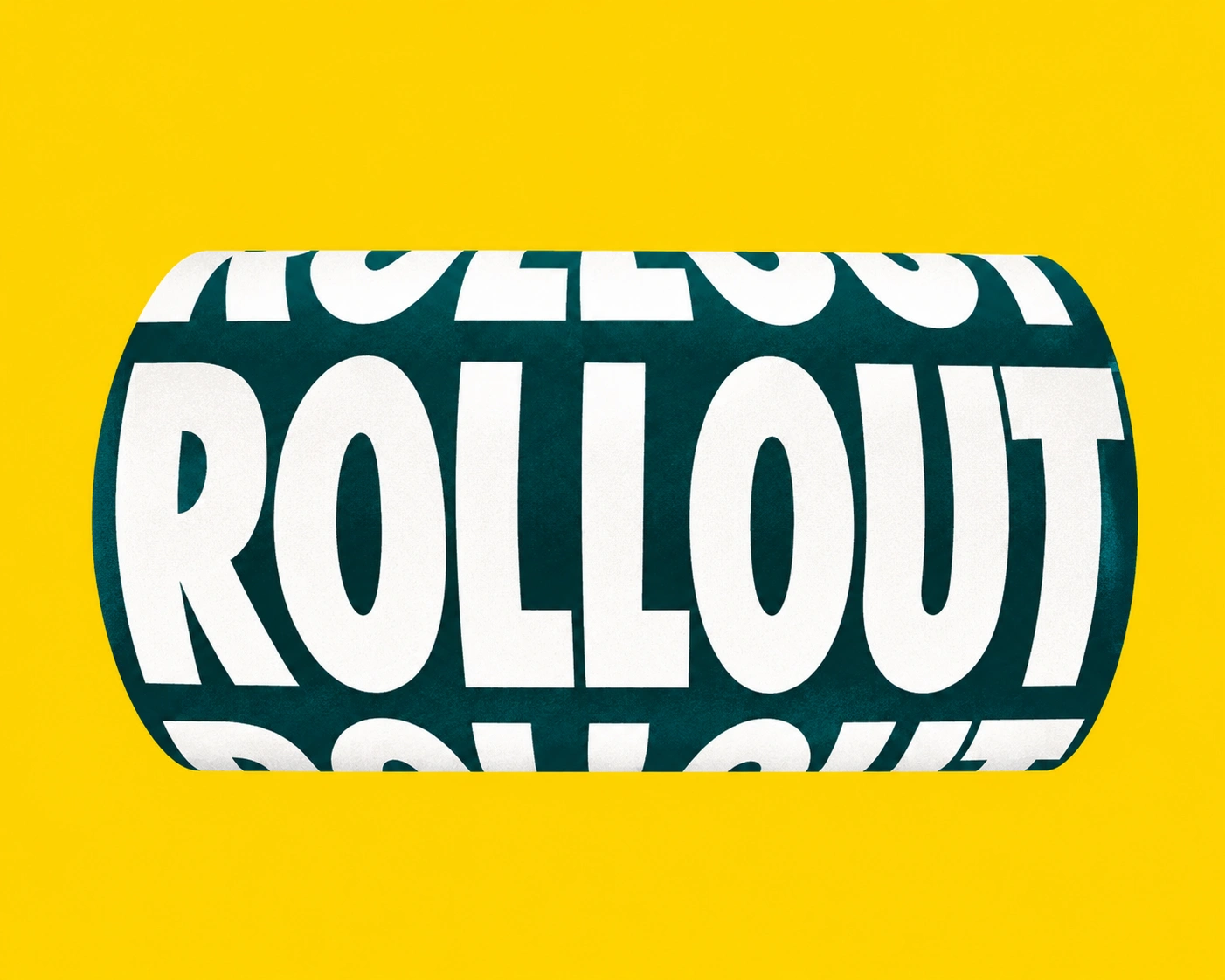
Plan how the new brand will move from strategy into the business. Establish rollout priorities, stakeholder alignment, communication requirements and a phased transition that reduces confusion and helps teams adopt the change consistently.
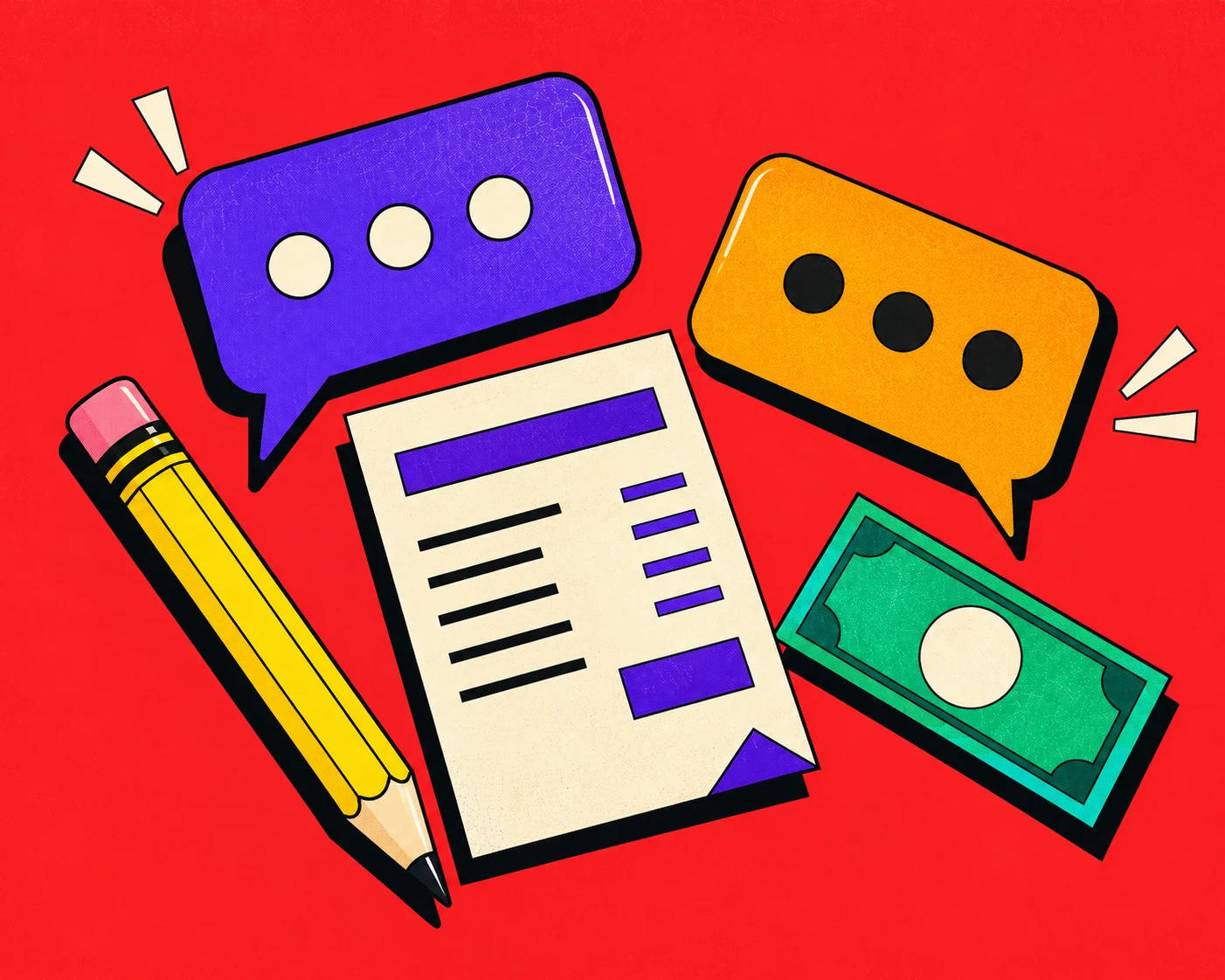
Describe what's changing and why.
When should a business consider rebranding?
Consider rebranding when the existing brand no longer reflects the business, its direction or the audiences it needs to reach. A merger, new market, changing offer or persistent perception problem can be a reason to assess the brand. A rebrand is not automatically the answer to every business challenge.
What is the difference between a brand refresh and a rebrand?
A refresh evolves the existing identity while retaining much of its strategy and recognition. A more fundamental rebrand may change the positioning, proposition, naming or identity. The right approach depends on the problem, existing brand equity and the scale of business change.
How can a rebrand preserve existing brand equity?
Start by identifying which assets and associations people recognise and value. Research, brand audits and asset evaluation can help distinguish elements worth keeping from those that need to evolve. A considered transition also helps protect recognition during the change.
Does rebranding strategy include designing a new visual identity?
Rebranding strategy establishes the case for change, the scope and the direction for the new brand. Visual and verbal identity development can follow as separate or connected workstreams, depending on what the strategy identifies as necessary.
How long does a rebranding project take?
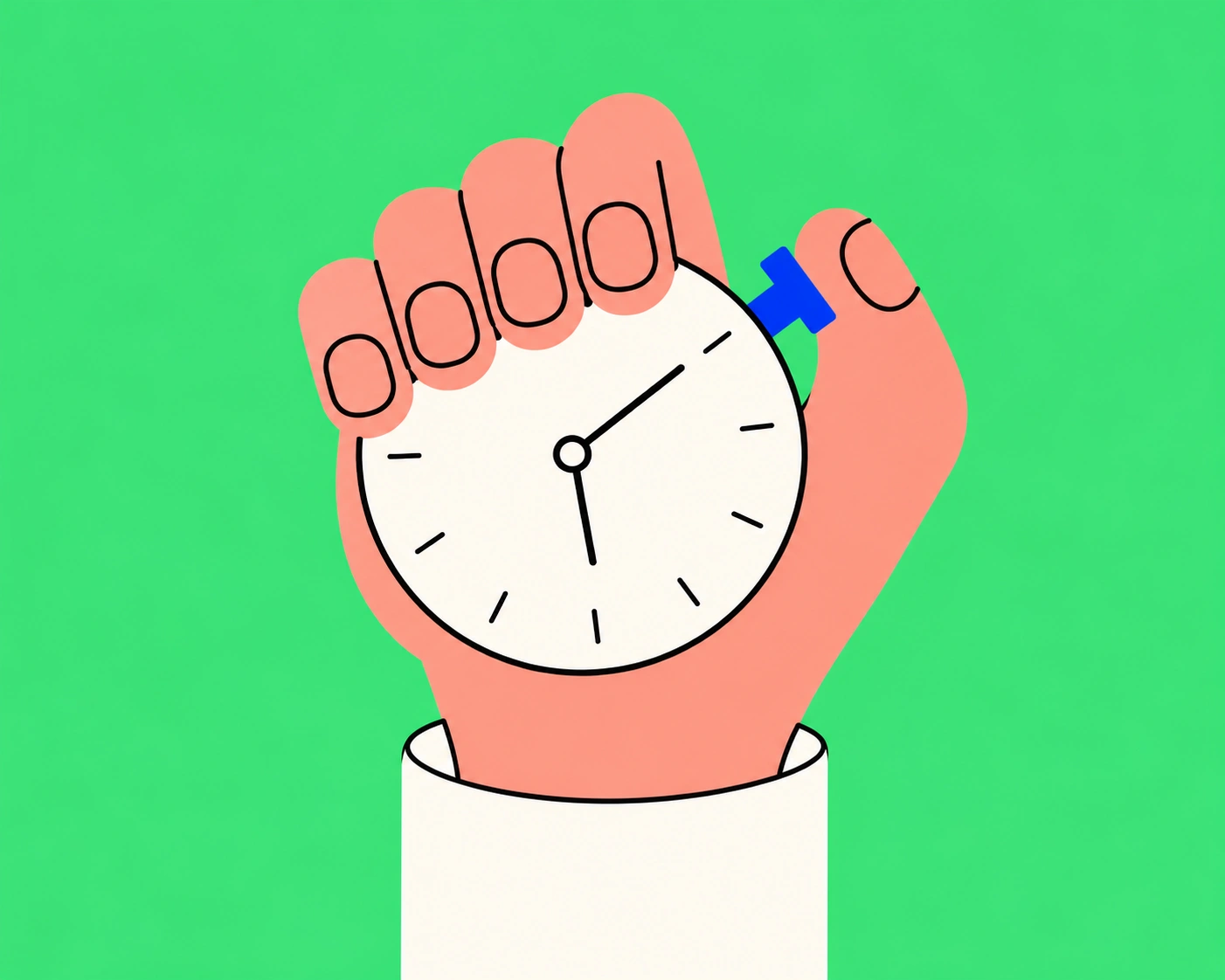
Timing depends on the scale of change, research requirements, stakeholder alignment and the number of brands and touchpoints involved. Strategy, identity development and rollout are distinct stages, and a phased transition may continue beyond the initial launch.
Strategy, identity and digital experiences come together in different ways. Here's a selection of projects shaped by different challenges, ambitions and opportunities.
Explore selected projects ↗Developing something new, rethinking an existing brand or considering a different direction? Tell me what you're working on and we'll take it from there.
Start a conversation ↗